

What Is a Four-Point Inspection: A Complete Guide
Table of Contents
What Is a Four-Point Inspection
The Four Systems Evaluated
Why Homeowners Insurance Requires a Four-Point Inspection
Which Homes and Properties Need a Four-Point Inspection
Four-Point Inspection Checklist: What Inspectors Evaluate
How to Prepare Before the Inspector Arrives
Roof Covering and Age
Electrical Panel and Wiring
Plumbing Materials and Water Heater
HVAC System and Condition
Four-Point Inspection Requirements: Insurer and State Variations
Four-Point Inspection Cost and Report Documentation
Understanding Your Four-Point Inspection Report and Next Steps
How the Report Is Structured
Who Submits the Report, and When
What Happens When a System Fails
Documenting Repairs Correctly
Talking to Your Insurance Agent About Findings
Four-Point Inspection vs. Full Home Inspection: Key Differences
Frequently Asked Questions
Last Updated: October 16, 2026
What Is a Four-Point Inspection
A four-point inspection is a focused assessment of four systems: the roof, electrical, plumbing, and HVAC. Insurers request it to decide whether to cover a property, especially older homes or those with a claims history.
Roof leaks, electrical fires, plumbing failures, and HVAC breakdowns account for most homeowners claims. Evaluating them upfront lets insurers reduce risk and decide on coverage.
The Four Systems Evaluated
Each system gets its own evaluation:
Roof covering and age, The inspector checks the material, condition, and approximate age of your roof
Electrical panel and wiring, The inspector assesses whether your panel is safe and your wiring meets current standards
Plumbing materials and water heater, The inspector identifies what materials your pipes are made from and evaluates the condition of your water heating system
Why Homeowners Insurance Requires a Four-Point Inspection
Insurers use four-point inspections to assess risk. When you apply for homeowners insurance, especially on an older home, they want proof the four major systems are acceptable.
These systems drive claim likelihood: a roof 20+ years old is more likely to leak, outdated wiring can cause fires, and old plumbing may corrode and cause water damage.
The four-point inspection gives insurers a licensed inspector's documented report on each system, protecting both homeowner and insurer.
Which Homes and Properties Need a Four-Point Inspection
Not every home needs a four-point inspection. Newer homes rarely trigger it, but certain properties almost always do:
Homes built before 1980
Properties with a prior insurance claim related to roof, electrical, plumbing, or HVAC
Homes that have been vacant for an extended period
If you're buying a home built in the 1970s or earlier, expect your insurer to request a four-point inspection, same if you're refinancing an older property or switching insurers. Some insurers are stricter: one may insure a 1985 home without hesitation, while another requires documentation for anything built before 1995.
Ask your agent upfront whether a four-point inspection will be required; scheduling early prevents delays in closing or coverage approval.
Four-Point Inspection Checklist: What Inspectors Evaluate
Inspectors follow a systematic checklist for each of the four systems. Knowing what they look for, and what you can do beforehand, helps you avoid a failed report.
How to Prepare Before the Inspector Arrives
A four-point inspection is visual and non-invasive: the inspector cannot open walls, dig up pipes, or disassemble equipment. Anything blocking a clear line of sight can turn a passing system into an "unable to determine" finding, which many insurers treat as a fail.
A practical preparation checklist:
Clear access to the electrical panel. Remove boxes, shelving, or furniture so the inspector can open the door and photograph the breakers.
Clear access to the water heater and HVAC equipment. Move items away from the water heater base and around the furnace, air handler, and condenser. Trim vegetation from the outdoor condenser.
Locate documentation. Gather permits, receipts, or warranty paperwork for roof replacement, panel upgrades, repipes, or HVAC replacement, it can resolve a borderline finding.
Pro Tip If a system is inaccessible, ask the inspector to note the reason in the report. An insurer is more likely to accept a documented access limitation than a blank or "unknown" field.
Roof Covering and Age
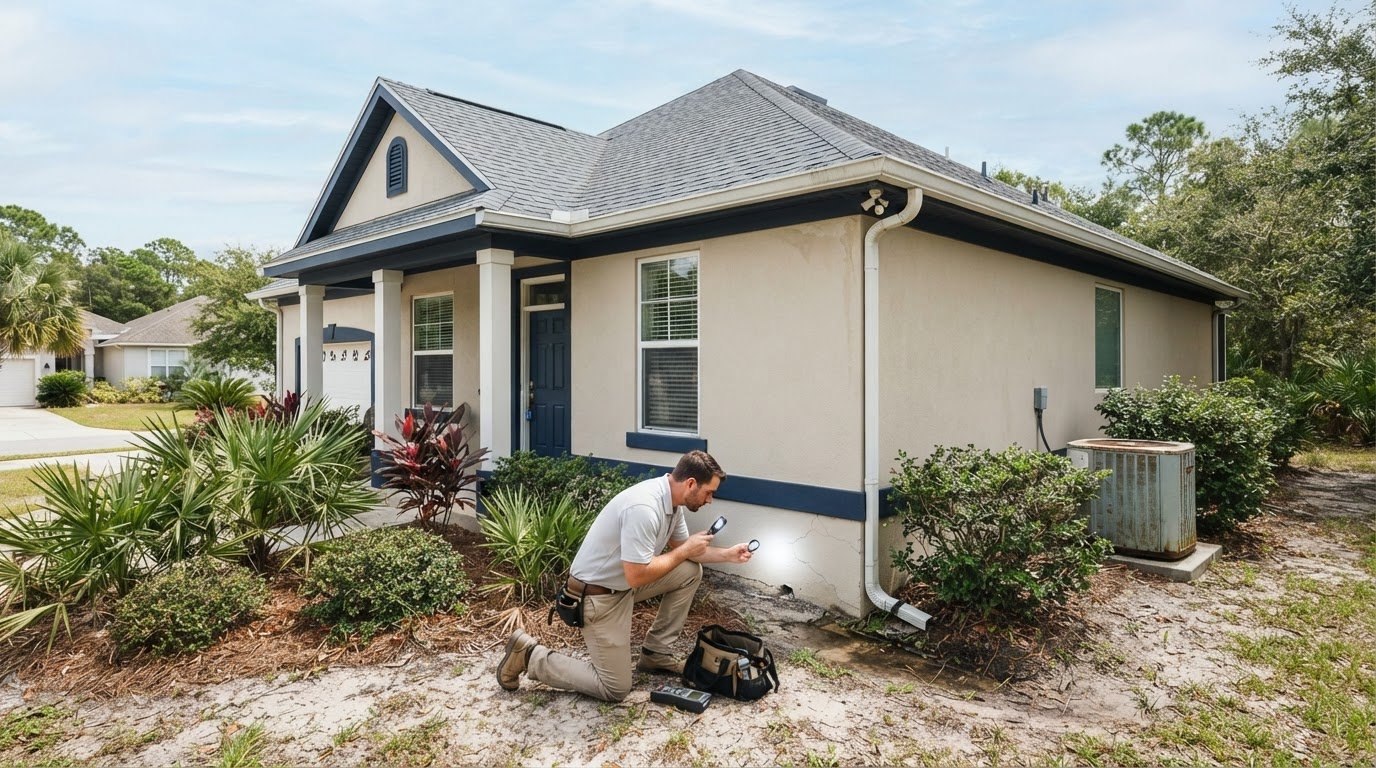
The roof inspection starts with a visual assessment from the ground and, when safe, the roof itself.
Most insurers become concerned at 20+ years, and some require replacement at 25. Condition matters too: a well-maintained 18-year-old roof may pass, while a neglected 15-year-old roof with visible damage may not.
What separates an acceptable roof from a concerning one in practice:
Acceptable: Uniform shingle granules, no active leaks, flashing intact around chimneys and vents, no more than minor granule loss, and no soft or spongy spots underfoot.
Concerning: Curling or clawing shingles, exposed nail heads, rusted or lifted flashing, granule buildup in gutters, dark staining that suggests algae or moisture, or any patched area that wasn't permitted.
The inspector also checks flashing around chimneys, vents, and skylights, since improper flashing is a common leak source. Sagging or buckling points to structural issues beneath.
Electrical Panel and Wiring
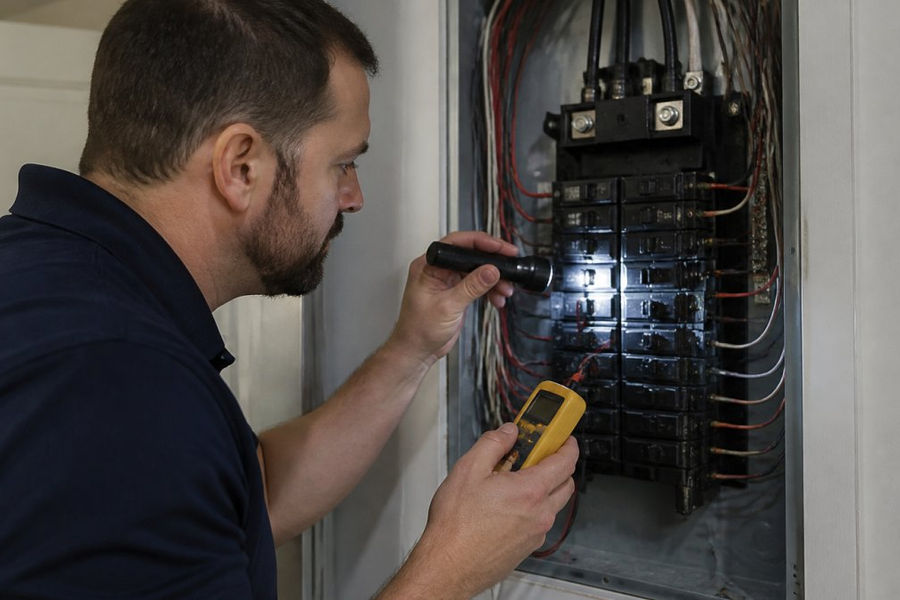
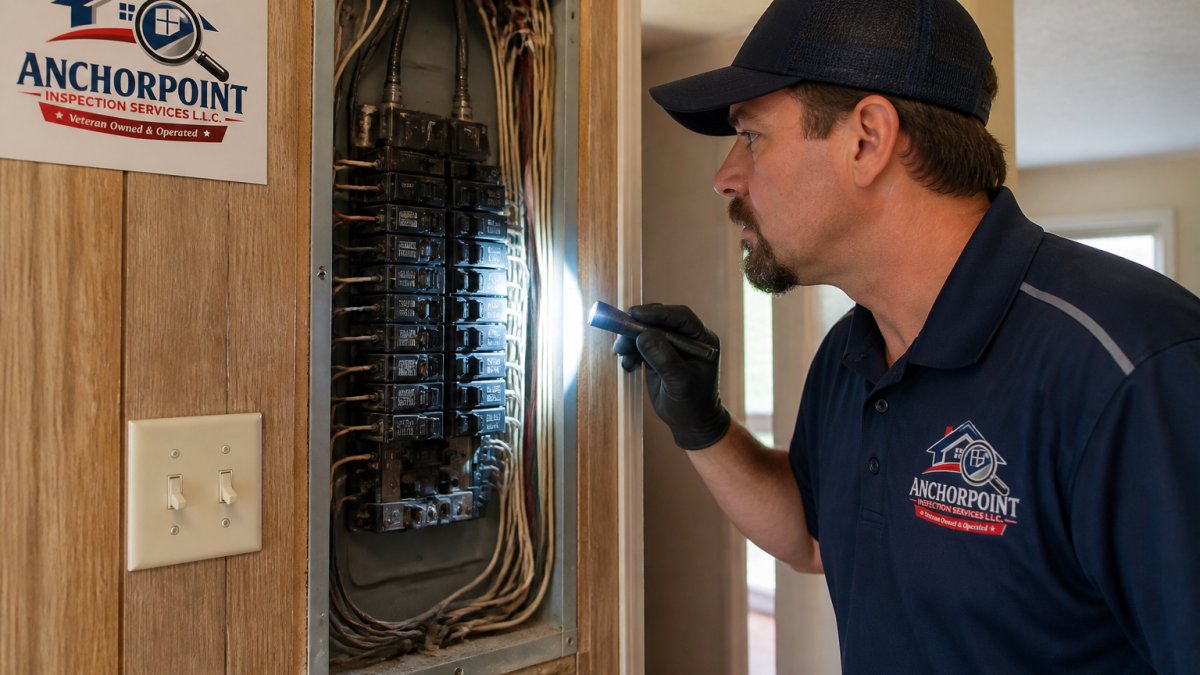
The inspector opens the electrical panel, documents its type and age, and checks whether breakers function and are labeled.
The inspector also evaluates visible wiring. Knob-and-tube or aluminum are red flags, and the inspector looks for overheating, improper connections, or exposed wiring.
What separates an acceptable electrical system from a concerning one:
Acceptable: A modern panel with clearly labeled breakers, no double-tapped breakers, no scorch marks or melted insulation, and wiring that matches the panel's rating.
Concerning: FPE Stab-Lok or Zinsco panels, aluminum branch-circuit wiring without approved connectors, knob-and-tube wiring still in active use, ungrounded outlets, or any sign of arcing, burning, or rodent damage to insulation.
Some insurers won't insure homes with certain panel types or wiring, so know your electrical system's age and type before applying.
Plumbing Materials and Water Heater
The inspector identifies your plumbing materials. Copper and PVC are generally acceptable; galvanized steel, lead, or polybutylene (PB) pipes raise concerns because they're prone to corrosion or failure.
The water heater gets its own assessment: age, type (gas or electric), and condition. A unit 10-15 years old is nearing the end of its lifespan, so the inspector checks for rust, leaks, or malfunction.
What separates acceptable plumbing from concerning plumbing:
Acceptable: Copper or PEX supply lines, PVC or ABS drain lines, no active leaks, no corrosion at joints, and a water heater with no rust, no standing water at the base, and a functioning pressure relief valve.
Concerning: Polybutylene supply lines, galvanized steel with visible corrosion, lead service lines, active drips or stains under sinks, a water heater over 15 years old, or a relief valve that's capped or leaking.
HVAC System and Condition
The HVAC inspection focuses on the furnace or heat pump and the AC unit. The inspector documents age, type, and function. A system 15-20+ years old may be flagged as aging, but age alone doesn't disqualify a home if it's well-maintained and operational.
The inspector checks for proper installation, visible damage, and leaks. A system that runs smoothly and heats or cools effectively passes.
What separates an acceptable HVAC system from a concerning one:
Acceptable: Equipment that turns on and produces conditioned air, no visible refrigerant or gas leaks, a clean and rust-free cabinet, and a service record showing regular maintenance.
Concerning: A system that won't start, a cracked heat exchanger, refrigerant lines with oily residue, a furnace with visible rust or soot, or an outdoor condenser that's bent, clogged, or sitting on a damaged pad.
Key Takeaway Preparation is not about hiding problems, it's about making sure the inspector can see and document what's actually there. Clear access, available records, and honest disclosure of recent repairs give you the best chance of a report that reflects your home accurately.
Four-Point Inspection Requirements: Insurer and State Variations
Requirements vary by insurer and state.
Some states have guidelines about which homes require inspections; others leave it to the insurer's discretion. If you're buying in a new state or switching insurers, ask your agent.
Contact your insurance company or agent before making an offer. Ask whether a four-point inspection will be required and the timeline, to avoid last-minute surprises that could delay closing or jeopardize coverage.
Four-Point Inspection Cost and Report Documentation
Cost depends on the property's size and age, the inspector's experience, and region. Contact a local inspector for a quote.
The report documents each system's condition with photos and notes, including age, defects, and repair or replacement recommendations, and is submitted to your insurance company.
A clear, photo-documented report gives your insurer confidence that the inspection was thorough and professional.
Understanding Your Four-Point Inspection Report and Next Steps
Once you receive your four-point inspection report, next steps depend on what the inspector found. If all four systems are acceptable, your insurer will likely approve coverage. If the report flags concerns, you have options, but the process is more structured than most homeowners expect.
How the Report Is Structured
A four-point report is a system-by-system record, usually with a photo and short finding per component:
System identification: Type, material, and approximate age of the roof, panel, plumbing, and HVAC.
Condition summary: A short statement of whether the system is acceptable, marginal, or deficient.
Photo documentation: One or more images per system, often with the panel cover removed or the water heater label visible.
Some insurers require their own form; others accept a standard report. Ask your agent which format they need before scheduling.
Who Submits the Report, and When
In most transactions, the inspector sends the report to whoever ordered it, and the homeowner or buyer forwards it to the insurance agent. Some inspectors submit directly to the insurer if authorized in writing.
Report validity isn't standardized. Insurers often accept a report from the last several months to a year, but some are stricter, and some accept an older report if no work has been done since.
Watch Out Do not assume a report from a prior purchase will satisfy a new insurer. Underwriting guidelines change, and a report that was accepted two years ago may not meet current requirements.
What Happens When a System Fails
A "fail" on a four-point report doesn't automatically mean you can't get insurance, it means the insurer needs more information. Typical paths:
Repair or replace the system. Once complete, provide documentation, invoices, permits, and photos, to the insurer.
Request a reinspection. The inspector returns to document the corrected condition, and the reinspection report replaces the original finding for that system.
Ask about a waiver or exclusion. Some insurers issue a policy excluding the flagged system, meaning related claims aren't covered. This is common for older roofs.
Negotiate a repair timeline. Some carriers bind coverage if the homeowner agrees in writing to complete repairs within a set window, often 30 to 90 days.
Shop another carrier. Guidelines vary widely; a system one insurer rejects may be acceptable to another.
Documenting Repairs Correctly
Insurers don't accept a verbal assurance that a system was fixed. A repair package typically includes:
A paid invoice from a licensed contractor showing the scope of work
Any required permits and the final inspection sign-off
Before-and-after photos of the affected system
Keep copies of everything; the same documentation may be requested again if you refinance or switch insurers.
Talking to Your Insurance Agent About Findings
How you present a finding matters:
Ask what the insurer actually requires. Some agents can tell you the specific threshold, a roof under a certain age or a panel of a certain type, before you spend money on repairs.
Share the full report, not just the summary. Underwriters often want the inspector's notes and photos, not just a pass/fail line.
Get the repair requirement in writing. If the agent says a repair will satisfy underwriting, ask for it in an email so there's a record.
Key Takeaway A failed four-point inspection is a negotiation point, not a dead end. The homeowner who gathers documentation, communicates clearly with the agent, and acts within the insurer's timeline has far more options than one who waits.
Keep your inspection report and repair documentation together, they record the property's condition and are useful if you file a claim, refinance, or change insurers.
Four-Point Inspection vs. Full Home Inspection: Key Differences
A four-point inspection is not a full home inspection. Knowing the difference helps you decide which you need.
Inspection Type | Systems Covered | Scope | Best For |
Four-Point | Roof, electrical, plumbing, HVAC only | Focused assessment of four critical systems | Insurance eligibility and underwriting |
Full Home | All systems and components | Comprehensive evaluation of entire property | Home purchase, home condition baseline |
A full home inspection evaluates the foundation, attic, crawlspace, interior walls, doors, windows, appliances, and every other component.
If you're buying a home, you may need both: your lender may require a full home inspection, and your insurer may require a four-point inspection.
A four-point inspection is your first step toward securing homeowners insurance on an older property. Our InterNACHI Certified Professional Inspector evaluates each system carefully and explains the findings so you understand your home's condition. Schedule your four-point inspection today.
Frequently Asked Questions
What is a four-point inspection?
A four-point inspection is a focused assessment of four critical home systems: roof, electrical, plumbing, and HVAC. Unlike a full home inspection that evaluates the entire property, a four-point inspection concentrates on these major systems that insurance companies consider highest-risk. It documents the condition, age, and functionality of each system to determine insurance eligibility. Homeowners insurance carriers often require this inspection for older homes or properties with aging systems before issuing or renewing coverage.
Why do insurance companies require a four-point inspection?
Insurance carriers use four-point inspections to assess risk and determine whether a property qualifies for coverage. The roof, electrical, plumbing, and HVAC systems are the most expensive to repair or replace and most likely to cause damage or safety hazards if they fail. By documenting their condition and age, insurers can evaluate whether the property meets underwriting requirements and calculate appropriate premiums. Homes with aging or deteriorating systems may be denied coverage or offered policies at higher rates without a satisfactory inspection report.
How much does a four-point inspection cost?
Four-point inspection pricing depends on property size, system accessibility, location, and whether photo documentation is included. Costs vary by inspector and region. For current pricing and a quote tailored to your specific property, contact Anchorpoint Inspection directly. Many homeowners find the investment worthwhile because a thorough inspection report can help negotiate repairs with sellers, identify costly issues before purchase, or satisfy insurance underwriting requirements to secure or maintain coverage.
What happens if a four-point inspection finds problems?
If the inspection identifies defects, safety hazards, or systems beyond acceptable age limits, the report documents findings and repair recommendations. For insurance purposes, the insurer reviews the report and decides whether to issue coverage, require repairs as a condition of coverage, or deny the policy. As a buyer or homeowner, you can use the report to negotiate repairs with the seller, budget for future maintenance, or obtain repair quotes. An InterNACHI Certified Professional Inspector will explain findings clearly so you understand what each issue means and your options for addressing it.
Schedule Now

Comments