

Swimming Pool Inspector Fort Walton: What to Expect
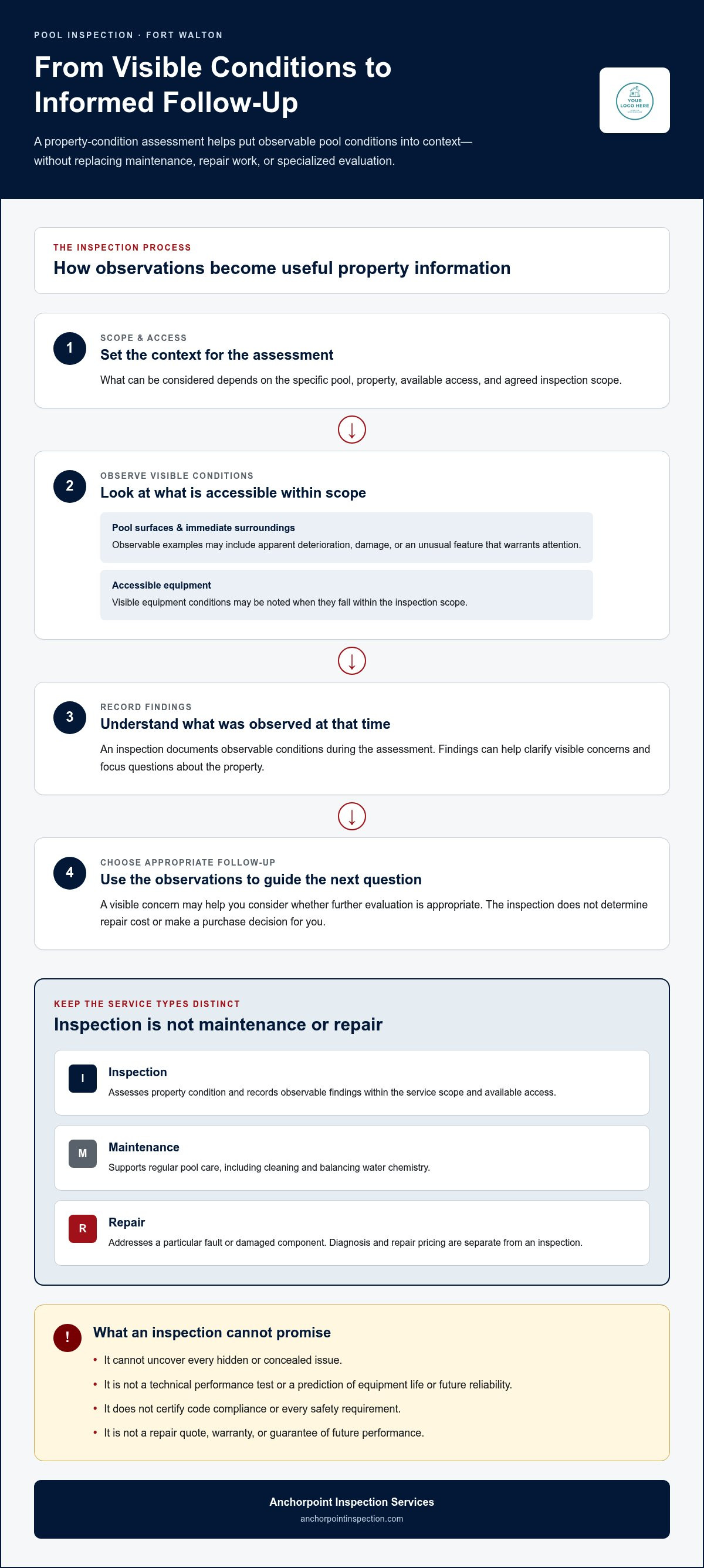
What if a pool that looks ready for a swim still leaves important questions about its condition unanswered? Before buying or managing a property, a swimming pool inspector Fort Walton property owners can rely on can help put visible conditions and accessible equipment into context.
It’s reasonable to want a clearer picture before making decisions about a pool. An inspection is a property-condition assessment, not routine water care or repair work. It helps you understand what was observed, but it cannot promise to uncover every hidden issue. Knowing that distinction makes it easier to use the findings as a practical guide rather than a maintenance checklist.
In this article, you’ll learn what a pool inspection can help you understand, what its limits are, and how to prepare the pool area and share useful property information. We’ll also explain what to expect when arranging an inspection in Fort Walton, so you can take a clear next step with better-informed questions about the property.
Table of Contents
Why Arrange a Swimming Pool Inspection in Fort Walton Beach?
A pool can look inviting while leaving questions about its visible condition unanswered. A swimming pool inspector Fort Walton buyers or owners arrange can provide a clearer, property-focused view before they decide what to do next. The purpose is not to guarantee that every part of a pool is problem-free, but to help make observable conditions easier to understand.
A pool inspection documents observable conditions to inform decisions. It isn’t routine maintenance, a repair estimate, or a guarantee against hidden defects. This distinction matters because pools vary in design, materials, and equipment. A general overview of pool types and construction in Swimming Pool can help explain why one property’s setup may differ from another’s.
When Can a Fort Walton Beach Pool Inspection Help?
For a buyer, an inspection can add useful information during due diligence, while there’s still time to consider the property’s overall condition. If the inspection notes visible deterioration or an apparent equipment concern, that information may help you decide what questions to raise in the transaction or whether further evaluation is appropriate. It doesn’t determine a repair cost or make the purchase decision for you.
Current owners may also want a clearer understanding of conditions they’ve noticed, such as a surface change or equipment that appears worn. An assessment can put those observations in the context of the property and support planning. Findings depend on the specific pool and what can be observed during the inspection.
Pool Inspection Versus Pool Maintenance or Repair
Maintenance keeps a pool operating as part of regular care. It can include cleaning and balancing water chemistry. Repair work addresses a particular fault or damaged component. An inspection has a different purpose: it assesses condition rather than maintaining water or completing repairs.
Local search results may bring up businesses such as Aqua Pool & Patio, which promotes pool maintenance, construction, and related services in Fort Walton Beach. Those services meet practical needs, but they’re distinct from a property-condition assessment. A swimming pool inspector Fort Walton property buyers engage isn’t there to clean the pool, balance chemicals, repair equipment, or provide a repair estimate.
Instead, inspection observations can help you distinguish a visible concern from everyday upkeep. If an observation needs technical diagnosis or repair pricing, that is a separate next step. The inspection gives you information to guide that decision, without representing that all concealed conditions have been evaluated or that the pool is ready for use.
For buyers and owners, that clarity can make conversations about the property more focused. Use the assessment to understand what was observed, consider whether further evaluation is warranted, and plan appropriate follow-up. This helps keep maintenance, repairs, and inspection from being treated as interchangeable services.
What a Swimming Pool Inspector May Assess at a Fort Walton Beach Property
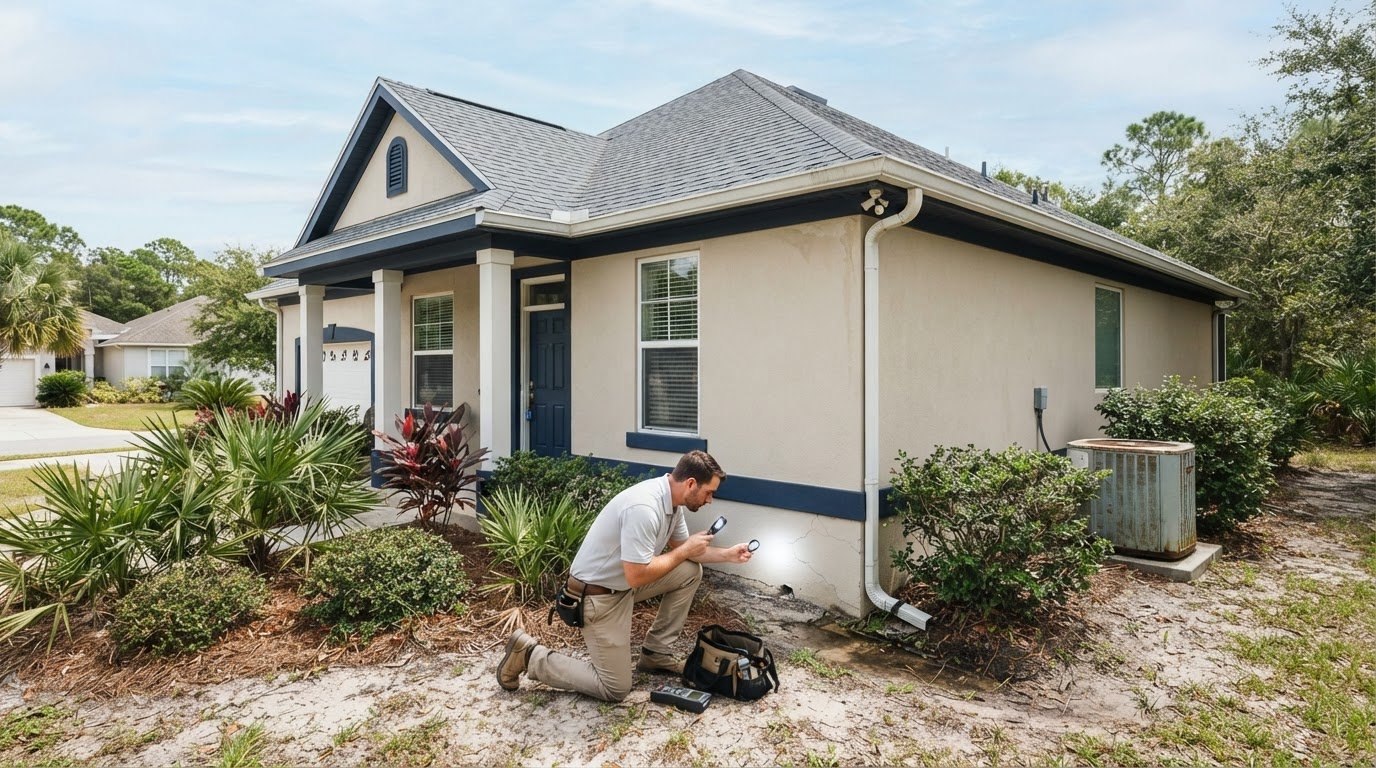
A pool inspection focuses on conditions that can be observed within the service scope and at the time of the assessment. The areas considered depend on the pool, property, access, and inspection scope. An inspector assesses visible condition, rather than dismantling systems or testing every concealed part of the pool.
An inspection records observable conditions at a particular time. It can’t guarantee future performance or reveal every hidden defect. For a Fort Walton Beach buyer, that distinction helps make findings easier to use. An observation can flag something to understand or follow up on, but it doesn’t establish how long a component will last or what a repair might cost.
Visible Pool Conditions and Surrounding Area
Depending on the agreed scope and access, an assessment may consider visible pool surfaces and the immediate surroundings. Examples of observable conditions could include apparent deterioration, damage, or an unusual feature that warrants attention. These are examples of things a property assessment may note, not a promise that every item will be inspected or that concealed problems will be found.
The area around a pool can provide useful context, too. A visible condition nearby may help explain a concern or indicate where a closer look is appropriate. Observations about the surroundings aren’t a certification of building-code compliance or a determination that the pool meets every safety requirement. Residential and public pool rules can differ; the Florida Department of Health Pool Regulations page addresses the state’s public-pool program, which is distinct from a residential property-condition assessment.
Pool Equipment and Inspection Limitations
Equipment is another area where scope and access matter. A swimming pool inspector Fort Walton property owners engage may note visible conditions of accessible equipment when that falls within the inspection scope. This is not a technical performance test, a measure of remaining service life, or a prediction that equipment will keep operating reliably. Concealed components or concerns that require specialized testing may need separate evaluation.
An inspection finding is not a repair quote, warranty, or promise to service equipment. If an observation raises questions about the cause, repair options, or future operation, it can help guide a separate follow-up decision. This distinction helps buyers and owners understand what the assessment can tell them without treating it as a diagnosis of every system.
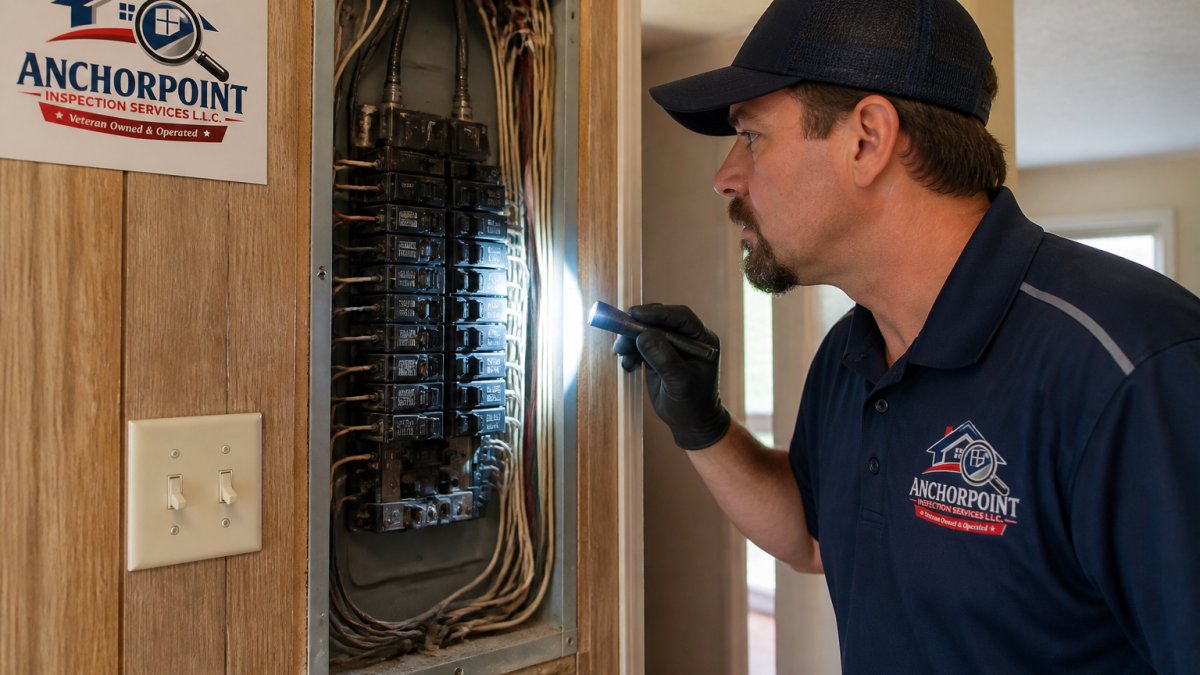
Anchorpoint Inspection Services provides pool inspections as part of its property-assessment services. If you’re weighing a purchase or want a clearer picture of a pool’s observable condition, explore Anchorpoint pool inspections as one step in evaluating the property.
What Pool Inspection Findings Mean for Fort Walton Beach Buyers and Owners
An inspection finding is information to help you decide what deserves attention, not a decision made on your behalf. For a buyer, observations may inform questions during due diligence or point to where more detail would be useful. For an owner, they can provide a clearer basis for planning upkeep or considering follow-up.
Start by sorting observations into three practical groups: visible conditions that may need prompt attention, routine maintenance matters, and questions that call for further evaluation. This isn’t a formal risk rating. It’s a way to think through next steps without assuming every note means a major defect or immediate repair.
How to Read Pool Inspection Observations
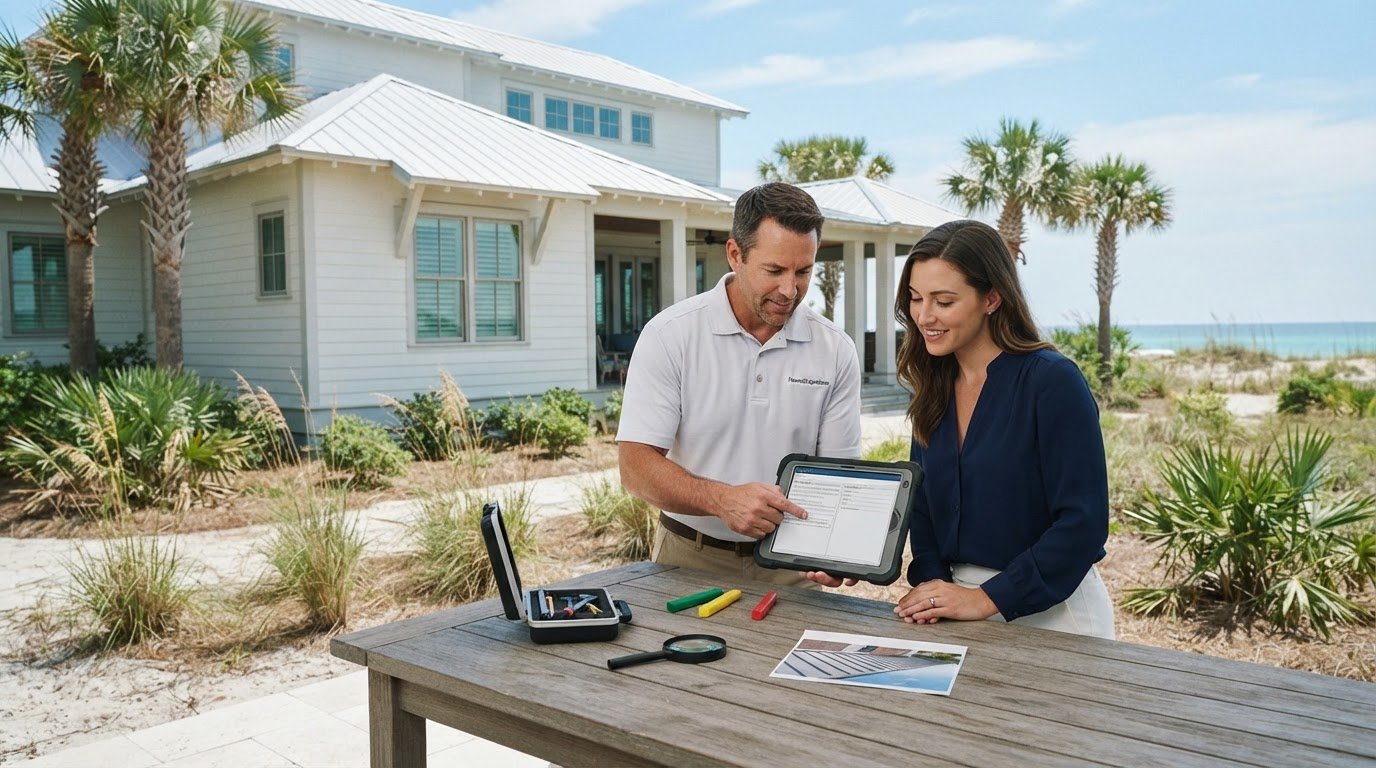
For each observation, note what condition was described and where it was seen. A note about a visible change in one area, for example, is different from a diagnosis of its cause. The home inspection report guide offers general context for understanding report observations and using them to plan questions or follow-up.
Then consider what kind of next step the observation suggests. A routine upkeep note may fit into regular pool care. A condition that appears damaged or deteriorated may deserve attention in your property planning. If the cause or extent isn’t clear from the observation, further evaluation may help answer that specific question. A swimming pool inspector Fort Walton buyers engage can provide property-condition information, but a finding should not be mistaken for a definitive technical diagnosis.
Industry resources can offer helpful background, too. The Pool & Hot Tub Alliance (PHTA) provides information about the pool and hot tub industry. Such resources can help you build general knowledge, while the significance of a particular observation still depends on the pool and the conditions described.
What an Inspection Cannot Promise
An assessment reflects conditions observed at the time of inspection. It can’t predict every future change in a surface or piece of equipment, and it shouldn’t be treated as specialized leak testing, destructive investigation, or a guarantee of safety, code compliance, insurability, or repair cost. If an observation needs more detail, further evaluation may be appropriate.
For example, a visible surface concern may be worth tracking or discussing, but the observation alone doesn’t establish how it developed or what work may be needed. Similarly, an item that appears functional during an assessment isn’t a promise that it will continue operating reliably. This distinction keeps findings useful without extending them beyond what was actually observed.
Buyers can use the information to frame follow-up questions as they consider the property. Owners can use it to prioritize what they want to understand or address. Focus on the documented condition, its location, and whether the next step is routine care or a closer evaluation. This keeps decisions grounded in the available evidence rather than assumptions about what a finding guarantees.
How to Prepare for a Pool Inspection in Fort Walton Beach
A little preparation can make it easier for the inspector to access the pool area and understand your concerns. You don’t need to diagnose a problem or make the pool look perfect. Focus on providing access, sharing useful background, and pointing out anything you’d like the inspector to consider within the agreed scope.
Access, Records, and Known Concerns
Before the visit, make sure the route to the pool area is accessible and relevant areas or equipment aren’t blocked by stored items, locked gates, or other obstacles. If you have maintenance notes, equipment information, or records of previous work readily available, gather them in one place. These details can provide context, though they don’t replace an assessment of observable conditions.
Make a short list of concerns you’ve noticed. Be specific about where and when you observed them, such as a visible change in one area or an equipment concern you’ve encountered. You don’t need to decide what caused the issue. That context helps the inspector understand what you want assessed, while access and the agreed scope determine what can be observed.
What to Expect During the Visit
Expect a professional, methodical assessment shaped by the property, access, and agreed scope. The inspection isn’t a reason to assume every component will be tested or concealed conditions uncovered. For related context on pool inspections in another Florida community, see this Lynn Haven pool inspection guide.
Use this checklist to prepare for inspection day:
Arrange access. Make the pool area and relevant accessible equipment reachable, and move items that obstruct the way if you can.
Gather available records. Set aside relevant maintenance notes, equipment details, or records of prior work if you have them.
List your concerns. Note what you’ve observed and where, so you can describe it clearly at the start of the visit.
Share useful context. Mention relevant property or pool information that may help explain a concern, without trying to diagnose its cause.
Keep expectations practical. The inspection’s scope and conditions at the property shape what can be observed. Don’t assume the visit includes repairs or specialized testing.
This preparation is useful whether you’re arranging an assessment before a purchase or reviewing a pool at a property you already own. A swimming pool inspector Fort Walton buyers and owners arrange can make observations more relevant when access is clear and known concerns are shared. Anchorpoint Inspection Services provides pool inspections as part of its property-assessment services. Learn about Anchorpoint pool inspections as a practical step toward understanding the property.
Arrange a Swimming Pool Inspection with Anchorpoint in Fort Walton
A dedicated pool condition assessment can be useful when you’re considering a Fort Walton property purchase or want a clearer understanding of a pool at a home you already own. It gives you property-specific observations to consider, rather than leaving you to rely only on appearance or assumptions. The findings can help you identify questions for follow-up and think through what matters to your plans for the property.
Anchorpoint Inspection Services provides pool inspections as part of its property-assessment services in the Fort Walton area. The business is owned and operated by John R. Gramlick III, a Florida-licensed home inspector. The inspection itself focuses on the pool’s observable condition and agreed scope. It isn’t a repair service, a prediction of future performance, or a substitute for any separate evaluation that may be needed.
A Clear Local Next Step
Start with your property and the decision in front of you. A buyer may want pool-related information as part of evaluating a home before purchase. An owner may be trying to understand an observed condition or plan what to look into next. In either case, a swimming pool inspector Fort Walton residents arrange can help make the assessment more concrete by focusing on what can be observed at that property.
Anchorpoint serves property owners in Fort Walton and surrounding communities, including Lynn Haven, Panama City, Panama City Beach, Callaway, Southport, Mexico Beach, Port St. Joe, Santa Rosa, Niceville, Destin, Pensacola, Gulf Shores, and San Destin. Before arranging an inspection, have the property address and any known concerns ready. Sharing relevant pool information and your reason for requesting an assessment gives the inspection a useful starting point, without assuming every pool has the same features or every concern can be resolved through a visual assessment.
Related Pool Inspection Guidance
Pool condition assessments are one part of understanding a property. If you’re comparing inspection information from different Florida locations, the Lynn Haven pool inspection guide offers related educational context. Your own property’s conditions and the inspection scope remain central to interpreting any observations.
Clear information can help you decide whether an observation is relevant to your purchase, ownership plans, or next questions. It won’t make the decision for you, but it can give you a more grounded starting point. Anchorpoint’s pool inspection service supports that understanding through a property-focused assessment.
If a pool inspection would help you make a more informed decision about your Fort Walton property, arrange a pool inspection with Anchorpoint.
Make Your Next Pool Decision With More Clarity
A pool assessment can be a useful starting point for the next decision about your property. Instead of trying to interpret every visible detail on your own, use an inspector’s observations to identify what matters to you and decide whether follow-up is appropriate. The right next step may differ for a buyer weighing a purchase and an owner planning ahead.
If you’re looking for a swimming pool inspector Fort Walton property owners can turn to for a property-focused assessment, Anchorpoint Inspection Services offers pool inspections in the area. The service is part of its specialized property assessments, led by John R. Gramlick III, a Florida-licensed home inspector, and available to Fort Walton and surrounding communities.
Bring your questions and property context into the process. Clear information can help you move forward thoughtfully, without treating an inspection as a prediction of every future condition. Arrange a swimming pool inspection with Anchorpoint and take a practical next step toward understanding your property.
Frequently Asked Questions
Is a swimming pool inspection the same as routine pool maintenance?
No. Maintenance is recurring care, such as cleaning the pool and managing water chemistry, while an inspection provides information about the property’s observed condition. For example, a maintenance visit may address water clarity, but that doesn’t replace an assessment of visible pool conditions. An inspection also isn’t a service appointment to fix equipment or handle ongoing upkeep. Knowing which service you need makes it easier to set expectations before arranging a visit.
Can a pool inspection identify a hidden leak?
A standard property-condition assessment can’t promise to locate a concealed leak. An inspector may note an observable condition that raises a question, but that observation doesn’t establish the cause or confirm a leak. Specialized leak detection may be needed to investigate a suspected hidden issue. If you’ve noticed an unexplained change, share when and where it occurs so the concern can be considered within the inspection scope and any needed follow-up is clearer.
How long does a swimming pool inspection take?
There isn’t one reliable duration for every pool inspection. The time needed can depend on the pool’s layout, the property’s access conditions, and the agreed scope. A clear route to the pool and relevant accessible areas can help avoid preventable delays, while blocked access may limit what can be observed. If you’re coordinating a property visit in Fort Walton Beach, plan with flexibility rather than assuming the assessment will take a set amount of time.
What happens if the pool inspection finds a concern?
A concern gives you information to consider, not an automatic repair decision. First, identify the condition described and where it was observed. Then consider whether it appears to involve routine care or whether you need more detail about its cause or significance. For instance, a visible change may prompt a follow-up question, but it doesn’t establish a repair method or cost. Keep the observation available as you plan your next property-related decision.
Should I have a pool inspected before buying a home in Fort Walton Beach?
A pool inspection can be a useful part of evaluating a Fort Walton Beach home if the pool’s condition could affect your plans for the property. It gives you additional information to consider alongside the rest of your purchase due diligence. A swimming pool inspector Fort Walton buyers arrange can help identify observable conditions, but an assessment can’t guarantee future performance or determine your purchase decision. Consider the findings in light of your priorities and any transaction deadlines.
What should I do before the pool inspector arrives?
Make the pool area accessible, including the route to any relevant equipment that falls within the agreed scope. Gather available records about prior maintenance or equipment work, but don’t delay the visit if you don’t have them. Write down concerns with their location and any context you remember, such as when you first noticed a change. These preparations help you explain what you want assessed and make the available property information easier to consider.
Comments