

How to Negotiate Repairs After Inspection
Table of Contents
Understanding Your Inspection Report and Findings
Prioritizing Major Defects vs. Cosmetic Issues
Distinguishing Safety Issues from Maintenance Items
Preparing for Post-Inspection Negotiations
Gathering Repair Estimates and Quotes
Understanding Your Purchase Agreement and Contingency Deadlines
Writing a Home Inspection Repair Request Letter
Key Elements of an Effective Repair Request
A Copyable Repair Request Template
Common Mistakes That Weaken a Repair Request
Repair Request After Inspection Examples and Templates
Deciding: Ask for Repairs, Credits, or Price Reductions
When to Ask for Credit Instead of Repairs After Inspection
Weighing Seller-Paid Closing Costs vs. Price Reduction
Understanding Seller Response to Inspection Repair Requests
What to Do When Negotiations Stall or Fail
Verifying Repairs Before Closing
Frequently Asked Questions
Last Updated: October 19, 2026
Understanding Your Inspection Report and Findings
Your home inspection report documents every system, structure, and component the inspector examined, listing what works, what needs attention, and what poses safety concerns.
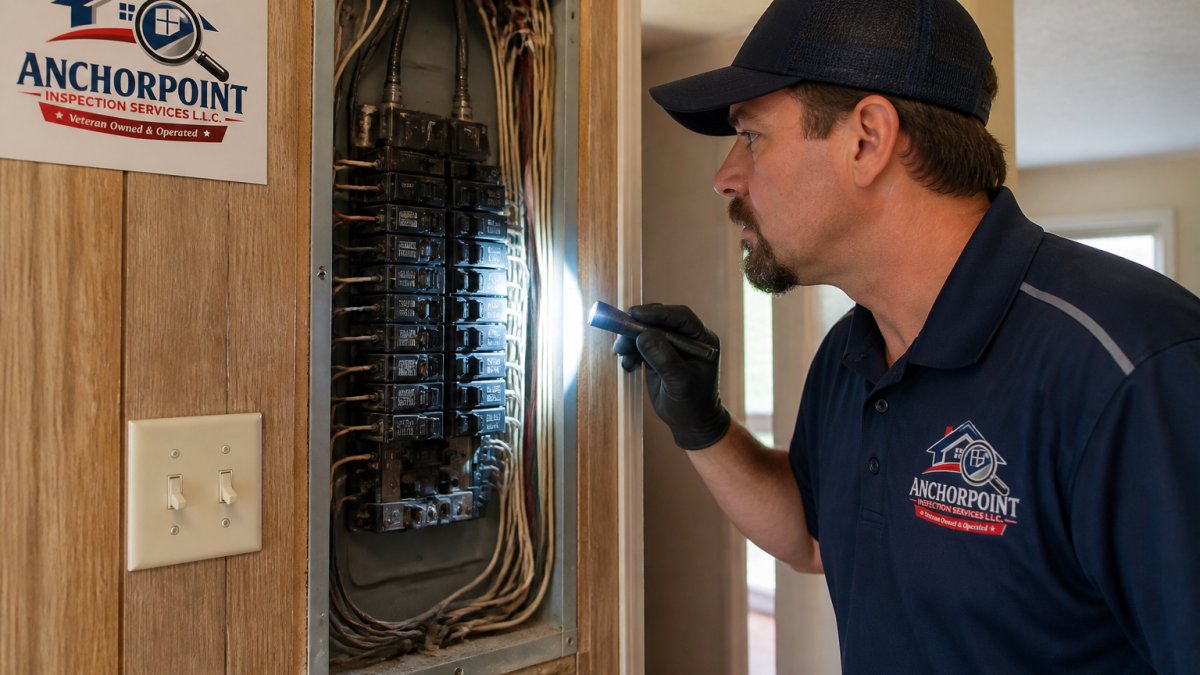
At Anchorpoint Inspection, we create detailed, photo-documented reports with every item explained in plain language.
The report separates findings into categories, and learning the difference helps you decide what to negotiate repairs after inspection.
Prioritizing Major Defects vs. Cosmetic Issues
Major defects are structural, mechanical, or safety problems. These affect how the home functions or protect the people inside it. Examples include foundation cracks, failed electrical systems, or roof damage.
Cosmetic issues are appearance problems. They don't affect safety or function. Worn paint, minor drywall damage, or outdated fixtures fall into this category.
Focus your repair requests on major defects. Asking for everything weakens your position on the items that truly matter.
A good rule: if it affects safety or is a significant expense, it's worth negotiating. Purely cosmetic items can wait.
Distinguishing Safety Issues from Maintenance Items
Safety issues demand immediate attention. These include electrical hazards, gas leaks, structural failures, or anything that could injure someone. Your inspector flags these clearly.
Maintenance items are normal wear and tear, aging systems and routine upkeep that are expected costs of home ownership.
Safety issues belong in your repair request; maintenance items often don't. Sellers are more willing to address genuine safety hazards.
Ask yourself: could someone get hurt if this isn't fixed? If yes, request the repair; if it's normal aging, negotiate a credit instead.
Preparing for Post-Inspection Negotiations
Preparation determines your power to negotiate repairs after inspection. You need repair estimates, knowledge of your purchase agreement, and a clear timeline.
Gathering Repair Estimates and Quotes
Get written quotes from licensed contractors for major defects; these become your evidence during negotiation.
Call at least two contractors for each major issue and ask for written estimates covering the scope of work, materials and labor, timeline, and any warranty. The seller is more likely to trust a professional quote than a guess.
Store these estimates in one place; they prove what repairs actually cost when you write your request.
Understanding Your Purchase Agreement and Contingency Deadlines
Your purchase agreement includes an inspection contingency, which gives you time to inspect the home and request repairs, and sets a deadline.
The contingency deadline is critical. Miss it, and you lose the right to request repairs or walk away based on inspection findings.
Check your agreement for:
The inspection contingency deadline (usually 7-10 days after you receive the report)
Whether you can request repairs or must accept the home as-is
What happens if the seller refuses your repair request
Your right to walk away if repairs aren't completed
Work backward from the deadline: review the report, gather estimates, then write your request and allow time for the seller's response.
Writing a Home Inspection Repair Request Letter
A repair request letter is a formal document listing the defects you found and what you're asking the seller to do. The strongest versions read like a short project brief: each line ties a specific finding to a specific remedy, a supporting estimate, and a response deadline, the structure that separates a request the seller's agent can act on from one that gets ignored.

Keep the letter professional and specific. Stick to facts from the inspection report and let page references do the persuading.
Key Elements of an Effective Repair Request
Start with a clear subject line such as "Request for Repairs Based on Home Inspection," including the property address.
Address the seller or their agent formally and copy your own agent so everyone is on the same thread.
Attach supporting estimates for major items so the seller can see the basis for the request.
Set a deadline for response that fits inside your inspection contingency; three to five days is common, but the contract controls.
State what you expect, work completed before closing, a credit, or a price adjustment.
Close professionally with thanks and your contact information.
A Copyable Repair Request Template
Use this structure as a starting point, replacing the bracketed fields with your specifics and deleting any row you don't need.
Subject: Request for Repairs Based on Home Inspection, [Property Address]
Dear [Seller Name / Seller's Agent Name],
We received the home inspection report for [Property Address] on [Date]. The inspector identified the items below, which we are asking the seller to address.
# | Defect (as reported) | Report Page / Item | Requested Remedy | Supporting Estimate | Response Needed By |
1 | [Short description of finding] | [Page / item number] | [Repair, credit, or price adjustment] | [Attached / not attached] | [Date] |
2 | [Short description of finding] | [Page / item number] | [Repair, credit, or price adjustment] | [Attached / not attached] | [Date] |
3 | [Short description of finding] | [Page / item number] | [Repair, credit, or price adjustment] | [Attached / not attached] | [Date] |
Response deadline. Please confirm your response by [Date].
Attachments. [List the estimates and any photos you are including.]
Thank you for your prompt attention to this matter.
Sincerely, [Your Name] [Your Contact Information]
Pro Tip Keep the table to the items that genuinely matter. Three well-documented line items are easier to accept than fifteen and signal that you've done the prioritization work.
Common Mistakes That Weaken a Repair Request
Lumping items together. Combining issues gives the seller room to fix one and call it done. Separate line items keep the scope honest.
Mixing cosmetic items with safety items. This signals the whole list is negotiable and invites a blanket counter.
Skipping the report reference. Without a page or item number, the seller can argue the finding wasn't in the report.
Setting a deadline outside the contingency window. A deadline after your contingency expires gives the seller no reason to hurry.
Forgetting to say what you want. A request that doesn't specify repair, credit, or price adjustment usually gets the seller's preferred option, not yours.
A well-built request does most of the negotiating for you, showing the seller that you're organized, grounded in the report, and aware of your contract deadlines.
Repair Request After Inspection Examples and Templates
Subject: Request for Repairs Based on Home Inspection
David Karras Real Estate Solutions
Dear [Seller Name/Seller's Agent Name],
We received the home inspection report for [Property Address] on [Date]. The inspector identified several items that require attention before closing.
Based on the inspection findings and contractor estimates, we are requesting the following repairs be completed by [Date]:
Item 1: [Specific Defect]
Inspection Finding: [Quote from report]
Requested Action: [What you want done]
Contractor Estimate: [Cost range]
Item 2: [Specific Defect]
Inspection Finding: [Quote from report]
Requested Action: [What you want done]
Contractor Estimate: [Cost range]
[Add additional items as needed]
Attached are copies of contractor estimates for your reference. We believe these repairs are necessary to bring the property to safe, functional condition.
Please confirm your response by [Date]. We are happy to discuss these items further if needed.
Thank you for your prompt attention to this matter.
Sincerely, [Your Name] [Your Contact Information]
This template keeps emotion out and focuses on facts. Customize it with your specific findings.
Deciding: Ask for Repairs, Credits, or Price Reductions
You have three main options when negotiating after inspection. Each has advantages and drawbacks.
Request repairs: The seller fixes the items before closing. The risk is cheaper contractors or incomplete fixes.
Request a credit: The seller gives you money at closing to make repairs yourself. You control quality but must manage the repairs after closing.
Request a price reduction: The purchase price drops by the repair cost, and you decide what to fix. This works best when you plan to do repairs gradually.
When to Ask for Credit Instead of Repairs After Inspection
A credit makes sense when you can manage contractors after closing, want control over repair quality, or doubt the seller will complete repairs properly. It also works when the seller refuses to make repairs, you can't force a fix, but you can negotiate money instead.
Weighing Seller-Paid Closing Costs vs. Price Reduction
Some sellers offer to pay your closing costs instead of making repairs, giving you cash to cover both repairs and closing expenses.
Compare the numbers carefully: calculate your closing costs and repair costs, then decide whether a credit covering both is worth accepting.
A price reduction is simpler: it lowers what you pay for the home, and you keep the difference.
Work with your real estate agent to understand what makes financial sense for you.
Understanding Seller Response to Inspection Repair Requests
The seller can agree to your request, counter with a different offer, or refuse to negotiate.
Most sellers respond within 3-5 days. Your agent will receive their response in writing.
An agreement means the seller commits to making the repairs before closing. Get the details in writing.
A counter-offer means the seller proposes different terms, some repairs but not others, or a smaller credit. You can accept, counter back, or walk away.
A refusal means the seller won't negotiate. You then decide whether to accept the home as-is or end the purchase.
What to Do When Negotiations Stall or Fail
If the seller refuses to negotiate, your purchase agreement gives you options.
Option 3: Walk away. If your inspection contingency is still active, you can terminate the purchase and get your earnest money back.
Option 4: Negotiate again. Ask your agent to return with a revised request; sometimes different terms move negotiations forward.
The key is knowing your deadlines. Once the inspection contingency expires, you lose negotiating power, so act before time runs out.
Verifying Repairs Before Closing
Schedule a final walkthrough 24-48 hours before closing. Bring your inspection report and the repair agreement.
Check each item:
Is the repair actually complete?
Does it match the agreed-upon scope?
Is the work quality acceptable?
Are there any new issues?
Take photos of completed repairs. Compare them to the original inspection findings.
If repairs aren't done or are incomplete, stop the closing and contact your agent and the seller immediately.
A final walkthrough protects you.
Negotiating repairs after inspection protects your investment.
At Anchorpoint Inspection, we provide the detailed, photo-documented reports that give you the evidence you need for successful negotiations.
Frequently Asked Questions
Can you negotiate repairs after a home inspection?
Yes, you can negotiate repairs after receiving your inspection report. Most purchase agreements include an inspection contingency period that allows buyers to request repairs, credits, or price reductions based on inspection findings. The seller can accept your requests, offer a counteroffer, or decline. Your real estate agent and the purchase agreement terms define your negotiation timeline and options. The key is submitting your repair request within the specified contingency deadline.
Should you ask for repairs or a credit after a home inspection?
The choice depends on the repair type and seller circumstances. Request seller repairs for major structural or safety issues where professional completion matters. Ask for a credit or price reduction when you prefer to handle repairs yourself, when the seller lacks contractor relationships, or when repair costs are modest. Credits give you control over contractor selection and timing. Consider the seller's motivation, repair complexity, and closing timeline when deciding which approach works best for your situation.
How do you write a home inspection repair request letter?
A repair request letter should reference specific inspection findings, include page numbers from the report, state the requested action (repair, credit, or price reduction), and provide contractor estimates if available. Use professional, factual language and avoid emotional appeals. Keep requests reasonable and tied to documented defects. Your real estate agent typically submits the letter within the contingency deadline. A clear, organized request increases the likelihood the seller will respond positively and helps prevent misunderstandings during negotiations.
What happens if the seller refuses to make repairs after inspection?
If the seller declines your repair requests, you have several options depending on your purchase agreement. You can accept the property as-is, submit a counteroffer requesting different terms (such as a lower price), request a reinspection to verify the seller's claims, or walk away if the inspection contingency remains active. Review your purchase agreement and consult your real estate agent about your rights and deadlines. Some agreements allow you to terminate if major defects are discovered, while others require you to proceed or lose your earnest money deposit.
Schedule Now

Comments