

Home Inspection Checklist for Buyers: What to Know
Table of Contents
What a Home Inspection Checklist for Buyers Actually Covers
What You Can Check Yourself vs. What Requires a Licensed Inspector
Free Home Inspection Checklist Printable: Section-by-Section Guide
How to Use This Checklist
Structure, Foundation, and Exterior
Roof, Attic, and Insulation
Basement, Crawl Space, and Water Intrusion
Plumbing, Electrical, and HVAC Systems
Doors, Windows, Walls, Ceilings, and Floors
Home Inspection Red Flags for Buyers That Warrant a Closer Look
The Three-Bucket Framework
Common Red Flags and Where They Land
How to Turn Red Flags Into a Negotiation Position
How Long Does a Home Inspection Take? Home Inspection Duration Explained
Home Inspection Questions to Ask Your Inspector
What to Do After the Inspection: Report, Contingencies, and Next Steps
Frequently Asked Questions
Last Updated: October 14, 2026
What a Home Inspection Checklist for Buyers Actually Covers
A home inspection checklist for buyers is a room-by-room, system-by-system guide to what a licensed inspector examines. At Anchorpoint Inspection, every buyer gets a comprehensive, photo-documented report covering structure, roof, plumbing, electrical, and HVAC. This guide covers each area, what you can check yourself, and how to use the report afterward.
Most buyers notice paint and light fixtures; inspectors look at water stains, cracked foundations, and attic ventilation. A checklist closes that gap.
What You Can Check Yourself vs. What Requires a Licensed Inspector
You can check surface-level items yourself: ceilings for water stains, outlets and switches, faucet pressure, and every window and door. These checks take under an hour and often reveal red flags.
Other items require a licensed inspector. Structural integrity, electrical panels, roof flashing, and HVAC function need training and tools, only a professional can tell cosmetic settling from a serious structural problem.
Watch Out Never climb on a roof or open an electrical panel during a showing. You risk injury and liability. Leave those checks to a licensed inspector.
Free Home Inspection Checklist Printable: Section-by-Section Guide
A good home inspection checklist printable breaks the house into sections and gives you a place to record what you see.
Print it or keep it open on your phone. Photograph anything that looks off, a photo plus a one-line note beats a vague memory at negotiation time.

How to Use This Checklist
Work top to bottom, exterior to interior. Mark each line OK, Watch (fine today but aging or borderline), or Flag (want the inspector to look closely and comment).
A few ground rules before you start:
Stay safe. Do not climb on the roof, open the electrical panel, enter a crawl space with standing water, or light a pilot. Those are licensed-inspector tasks.
Do not test what you cannot undo. No turning valves, flipping main breakers, or running the HVAC through a full cycle during a showing.
Note the date and time. If you visit twice, you want to know which notes came from which visit.
Photograph, don't diagnose. Document; the inspector draws the conclusion.
Structure, Foundation, and Exterior
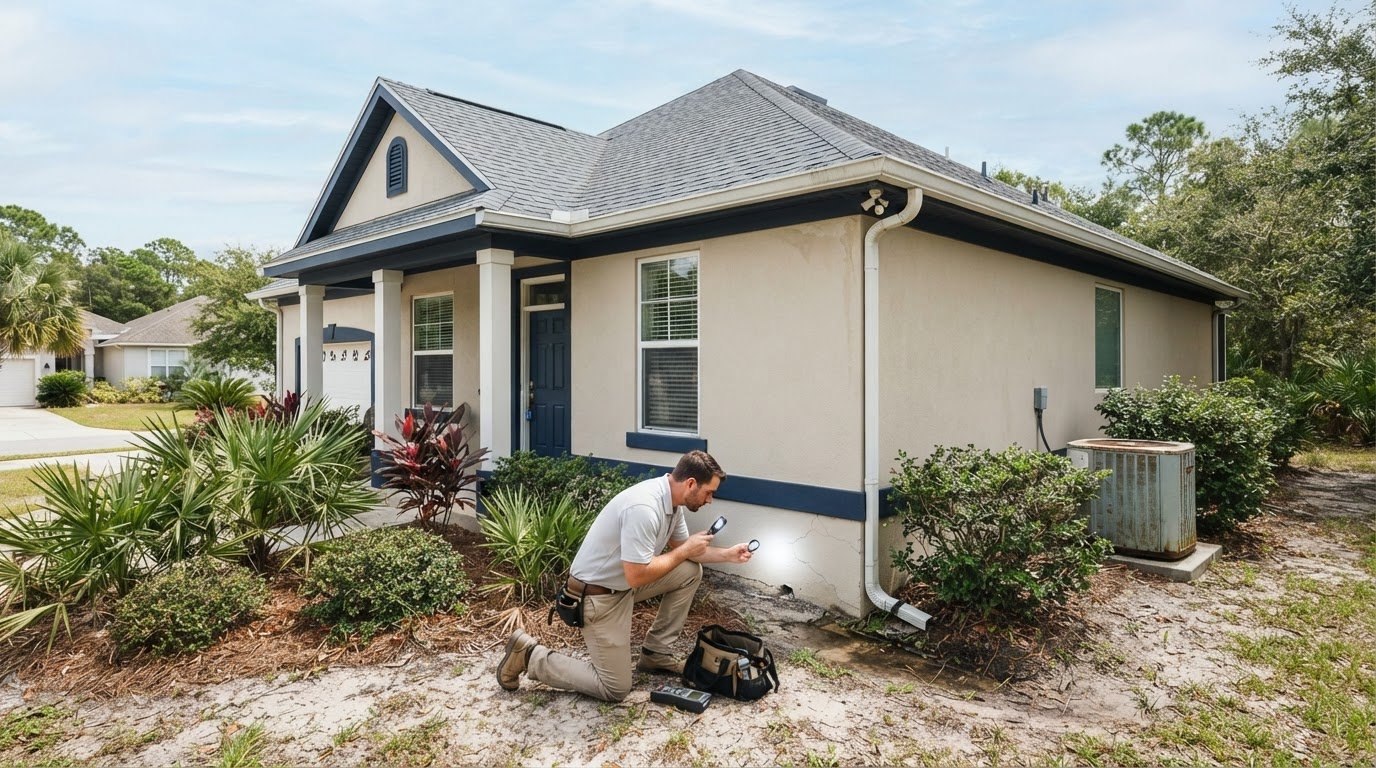
Start at the foundation and work outward. Look for cracks wider than a hairline, especially stair-step cracks in brick or block, and check siding for rot, gaps, or loose panels. Note grading and drainage, water should flow away from the house.
DIY, Foundation cracks wider than a hairline (note width and direction)
DIY, Siding gaps, rot, or loose panels
DIY, Grading that slopes toward the house
DIY, Gutters and downspouts that drain away from the foundation
Note field prompt: Where is it, how big is it, and does it look old or new? A painted-over hairline crack differs from one with fresh debris.
Roof, Attic, and Insulation
Roof condition tops most buyers' lists. From the ground, check shingles for curling, missing pieces, or granule loss.
Ventilation matters too: poor airflow traps moisture and feeds mold. And a newer roof is not automatically problem-free, flashing around chimneys and vents often fails long before the shingles do.
DIY, Shingle curling, missing pieces, or granule loss visible from the ground
DIY, Daylight through roof boards in the attic
DIY, Water stains on rafters or sheathing
DIY, Insulation sitting below the joists
DIY, Bath and kitchen exhaust fans that vent into the attic instead of outside
Note field prompt: How old is the roof, and is the attic dry or damp? If the seller doesn't know the roof age, that's a question for the inspector.
Basement, Crawl Space, and Water Intrusion
Water intrusion leaves clues: floor stains, musty smells, or white chalky residue on walls. In a crawl space, check for standing water, sagging insulation, and pest damage.
DIY, Water stains or efflorescence on walls
DIY, Musty odors or visible mold
DIY, Standing water or damp soil
DIY, Pest damage or droppings
DIY, Sump pump present, and whether it has a backup
Note field prompt: Is the moisture active or old? A dry stain high on a wall reads differently than a damp patch at its base.
Plumbing, Electrical, and HVAC Systems
Test water pressure at multiple fixtures, time how long hot water takes to arrive, check under sinks for leaks, and look at the water heater for rust or corrosion.
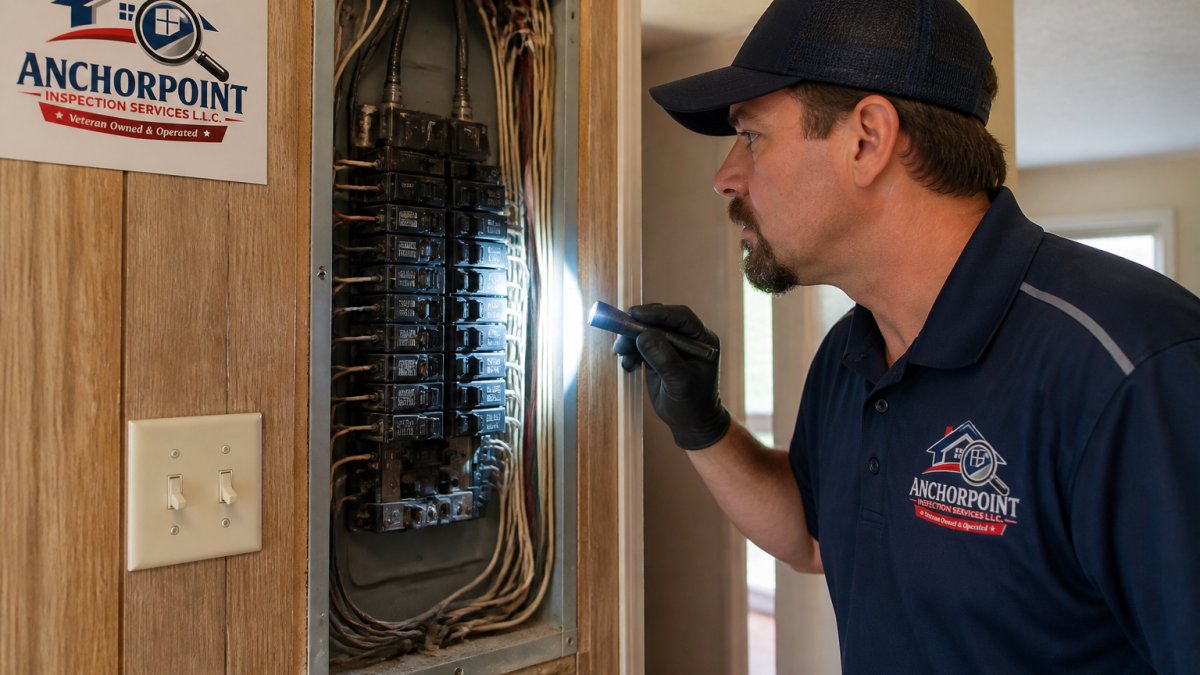
For electrical, note panel age and look for double-tapped breakers or exposed wiring; test outlets and GFCI buttons in kitchens and baths.
System | What to Check | Warning Sign |
Plumbing | Water pressure, leaks, drains | Rust-colored water, slow drains |
Electrical | Panel, wiring, outlets | Double-tapped breakers, warm outlets |
HVAC | Age, filter, airflow | Weak airflow, strange odors |
Water heater | Rust, leaks, age | Corrosion, popping sounds |
DIY, Water pressure at kitchen, bath, and outdoor spigot
DIY, Under-sink leaks and cabinet staining
DIY, GFCI test buttons in kitchen, baths, garage, and exterior
DIY, Air filter condition and HVAC service sticker date
Pro, Electrical panel interior, breaker sizing, and grounding
Note field prompt: How old is the equipment, and when was it last serviced? Age plus service history is the fastest way to estimate remaining life.
Doors, Windows, Walls, Ceilings, and Floors
Interior surfaces reveal what the exterior has been doing. Walk every room and look up, down, and at the corners.
DIY, Windows that stick, fog between panes, or will not lock
DIY, Doors that rub the frame or will not latch
DIY, Ceiling stains, especially below baths and the roof
DIY, Sloping or bouncy floors
DIY, Cracks at wall-to-ceiling joints and above door frames
Note field prompt: Which room, which wall, and does it line up with a known exterior issue?
Pro Tip Snap a photo of every "Flag" item and label it with the room name. When you sit down with the report, you can match your photos to the inspector's findings line by line instead of trying to remember which bathroom had the soft floor.
Home Inspection Red Flags for Buyers That Warrant a Closer Look
Not every finding carries the same weight. After the inspection, sort findings into three buckets, safety, urgency, and cost. That framework, not the report's length, drives a smart repair request.
The Three-Bucket Framework
Urgency. Not immediate hazards, but they worsen quickly and cost more the longer they wait: active water intrusion, a roof at the end of its life, a failing water heater, a sewer line with root intrusion.
Cost. Big-ticket items that aren't urgent today but will be expensive when they come due: a 20-year-old HVAC system, a roof with a few years left, original windows.
Common Red Flags and Where They Land
Structural cracks, Safety if they indicate movement; cost if they are old and stable. A structural engineer's letter is the usual next step.
Active water intrusion, Urgency. Water finds the same path every time, and mold follows.
Outdated electrical panels, Safety. Certain older panel designs and aluminum branch wiring are well-known concerns; a licensed electrician should evaluate.
Roofs past their expected lifespan, Urgency to cost, depending on remaining life.
Mold or mildew in the attic or basement, Urgency. The mold is a symptom; the moisture source is the problem.
Watch Out If a finding is a safety issue, do not let the closing timeline pressure you into skipping it. A repair credit is not the same as a repair, you still have to schedule and supervise the work after you own the home.
How to Turn Red Flags Into a Negotiation Position
Once findings are sorted, get contractor estimates for anything in the safety or urgency bucket before responding to the seller. A written estimate from a licensed contractor carries far more weight than a line in the report.
A common pattern is to ask for the safety items to be repaired by a licensed trade before closing, and to ask for a credit, not a repair, for the urgency and cost items.
Pro Tip Ask your inspector to rank findings by safety, urgency, and cost. This turns a long report into a clear action plan, and it gives you a defensible reason for every request you make.
How Long Does a Home Inspection Take? Home Inspection Duration Explained
A standard home inspection takes two to four hours for most single-family homes; larger, older, or crawl-space homes take longer, while a condo or small townhome may wrap up in under two hours.
Duration depends on the home's size, age, and condition. Most inspectors deliver the report within 24 to 48 hours; if your closing timeline is tight, ask about turnaround when you book.
Key Takeaway Book your inspection as soon as your offer is accepted. A three-week closing leaves little room for delays.
Home Inspection Questions to Ask Your Inspector
The right questions turn a report into a plan: ask about each finding's severity, what needs immediate repair, what can wait, and whether anything needs a specialist like a structural engineer or electrician.
Good questions to ask:
Which findings are safety issues?
What would you fix first?
Are any problems likely to get worse quickly?
Do I need a specialist for anything?
How should I use this report in negotiations?
A U.S. Department of Housing and Urban Development guide for homebuyers offers useful context on what buyers should review before closing. Ask your inspector to walk you through the report section by section so nothing gets lost in jargon.
What to Do After the Inspection: Report, Contingencies, and Next Steps
Once you have the report, review it with your realtor. Most contracts include an inspection contingency, a window to request repairs, ask for a credit, or walk away. Prioritize findings by safety, urgency, and cost.
For major issues, get contractor estimates before you negotiate. A Consumer Financial Protection Bureau guide to closing explains how contingencies protect buyers during this stage.
Frequently Asked Questions
What is the biggest red flag in a home inspection?
Structural issues top the list: foundation cracks wider than a quarter inch, bowing walls, or floors that slope noticeably. Water intrusion signs like stains on ceilings, musty odors, or efflorescence on basement walls also rank high because they point to ongoing moisture problems. Pest damage, outdated electrical panels, and roof defects round out the most serious findings. Any single red flag does not kill a deal, but it should trigger a specialist evaluation before you remove your inspection contingency.
What should buyers do after receiving the inspection report?
Read the full report, not just the summary page. Flag items by safety, urgency, and cost, then decide which findings you want the seller to address. Your real estate agent can help you request repairs or credits during the inspection contingency window. For major systems like HVAC or roofing, get contractor quotes so you know the real numbers. Keep the report for your records; it doubles as a maintenance roadmap for your first year in the home.
Can a buyer attend the home inspection?
Yes, and most inspectors encourage it. Walking through the property with your inspector lets you ask questions in real time, see how systems operate, and understand which findings matter most. Plan to set aside two to three hours. If you cannot attend, ask whether a photo-documented report or a follow-up call is included so you still get clear explanations of what was found and what it means.
How long does a home inspection take for a typical house?
Most single-family homes take two to three hours. Larger properties, older homes with complex systems, or houses with crawl spaces and detached structures can run four hours or more. The inspection duration depends on square footage, age, accessibility, and how many questions you ask along the way. Scheduling early in the day gives your inspector enough time to be thorough without rushing.
Buying a home means making decisions under pressure, and a clear inspection report is your best tool for that. At Anchorpoint Inspection, our InterNACHI Certified Professional Inspector delivers comprehensive, photo-documented reports that explain each finding in plain language. We focus on client education so you understand how your home's systems work, how to maintain them, and where to save on energy costs. Schedule Now with Anchorpoint Inspection and walk into closing with confidence.
Schedule Now

Comments