

Cost of Home Inspection in Florida: 2026 Pricing Guide
Table of Contents
What Affects the Cost of Home Inspection in Florida
Property Size and Square Footage
Home Age and Property Condition
Location Within Florida
What Does a Home Inspection Include
Foundation and Structural Systems
Roof, Exterior, and Interior Components
Plumbing, Electrical, and Mechanical Systems
How Long Does a Home Inspection Take
Four-Point Inspection Florida: Coverage and Costs
Wind Mitigation Inspection Florida: Protection and Pricing
Additional Inspection Services and Add-Ons
New Construction Inspections
11-Month Warranty Inspections
Four-Point and Wind Mitigation Inspections
Other Specialized Inspections
How to Decide Which Add-Ons Are Worthwhile
Why Professional Inspection Matters for Your Investment
Frequently Asked Questions
Last Updated: October 18, 2026
What Affects the Cost of Home Inspection in Florida
Understanding what drives the cost of home inspection in Florida helps you budget accurately and compare quotes from different inspectors. Several factors influence how much you'll pay, and knowing them puts you in control of the process.
The price you see quoted depends on measurable characteristics of your property, not on inspector preference or hidden fees. Let's break down what actually moves the needle.
Property Size and Square Footage
The size of your home is the single strongest predictor of inspection cost. Larger homes take longer to inspect thoroughly because there's simply more ground to cover, more walls to check, more systems to evaluate, more attic and foundation space to document.
A 1,000-square-foot property requires different effort than a 5,000-square-foot home. The inspector must examine every room, trace electrical and plumbing lines, check HVAC components, and document conditions with photos. That work scales with the building itself. Most inspectors structure their fees around square footage brackets.
Pro Tip When you call for a quote, have your square footage ready, it's usually on your listing documents or property records. This single number speeds up the quoting process and ensures accuracy.
Home Age and Property Condition
Older homes often cost more to inspect than newer ones. A 1970s property with original systems, potential settling, and decades of wear requires more detailed evaluation than a 2015 home with modern components and recent updates.
The inspector must spend time understanding how aged systems are functioning, identifying deferred maintenance, and noting where repairs or replacements may be approaching. Homes in visibly poor condition also take longer because the inspector documents more issues and may need to dig deeper into problem areas to understand their scope.
Conversely, a well-maintained home in good condition moves faster through inspection. Fewer problem areas mean less time spent investigating root causes and photographing defects.
Location Within Florida
Regional factors matter, though less dramatically than size and age. Inspectors in high-cost urban areas may charge differently than those in smaller towns, reflecting local market conditions and competition.
What does vary by location is the prevalence of certain issues. Coastal properties and those in hurricane-prone zones may warrant additional scrutiny of roof condition, fastening systems, and exterior weather resistance, factors that influence time spent but not necessarily the base inspection fee.
What Does a Home Inspection Include
A standard home inspection covers the major systems and components of your property. Understanding what's included helps you know what to expect from the report and why the inspection takes the time it does.

Foundation and Structural Systems
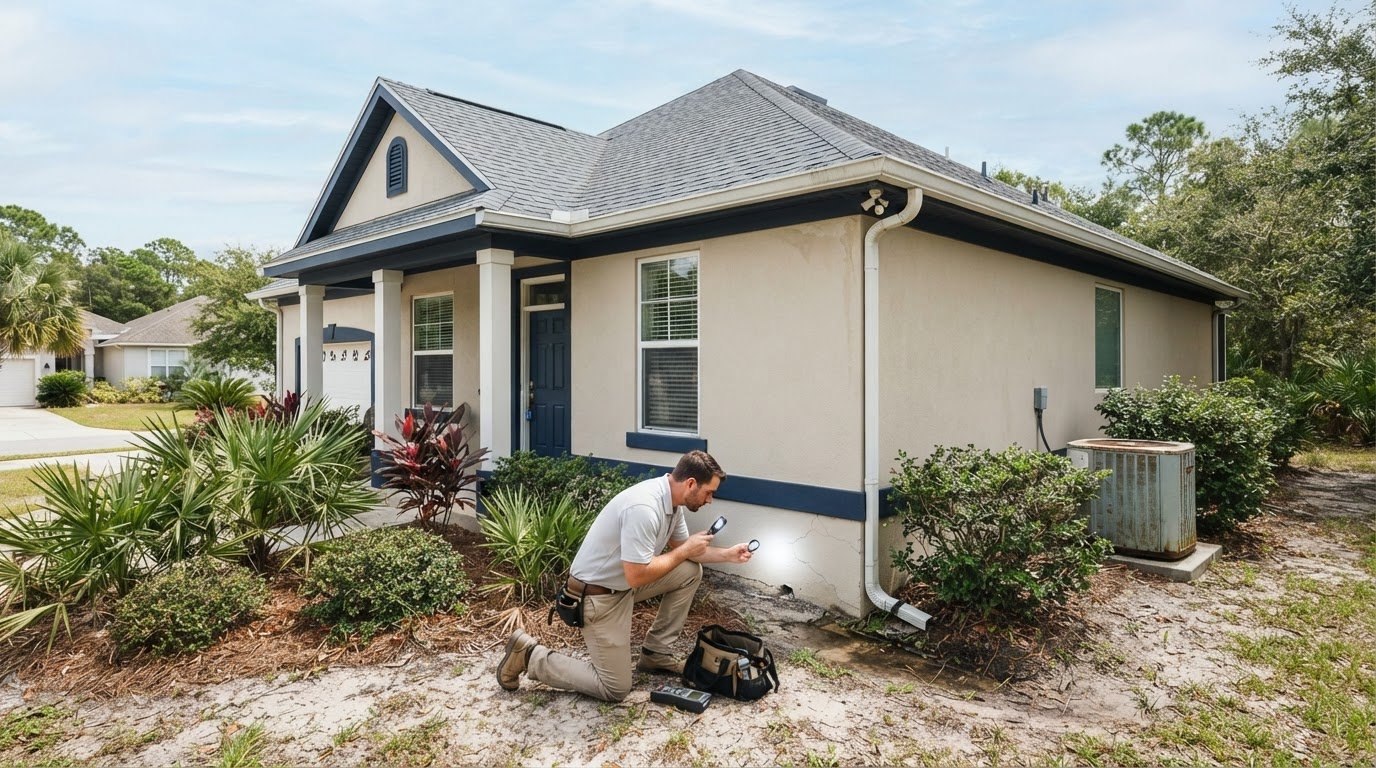
The inspector evaluates your foundation for cracks, settlement, water intrusion, and structural integrity. This includes examining basement or crawl space walls, checking for signs of shifting or movement, and assessing how well the foundation is performing overall.
Structural systems, the framing, load-bearing walls, and support beams, are visually inspected for damage, rot, pest activity, or inadequate support. The inspector looks for sagging ceilings, cracked drywall, or other signs that something structural may be compromised. This evaluation is visual and non-invasive; the inspector doesn't tear into walls or conduct destructive testing.
Roof, Exterior, and Interior Components
The roof inspection includes checking shingles or tiles for wear, damage, or missing pieces; examining flashing around penetrations; and assessing overall condition and estimated remaining lifespan. The inspector walks the roof safely or uses binoculars from the ground, depending on safety and property conditions.
Exterior components include siding, trim, windows, doors, and any deck or porch structures. The inspector checks for rot, water damage, proper sealing, and functional operation. Interior inspection covers walls, ceilings, floors, doors, windows, and visible insulation. Cosmetic issues like paint or minor drywall imperfections aren't reported, the focus is on structural soundness and functional condition.
Plumbing, Electrical, and Mechanical Systems
The plumbing inspection checks water supply lines, drainage, fixtures, and water heater condition. The inspector tests faucets, flushes toilets, runs water to check for adequate pressure and drainage, and looks for leaks or corrosion.
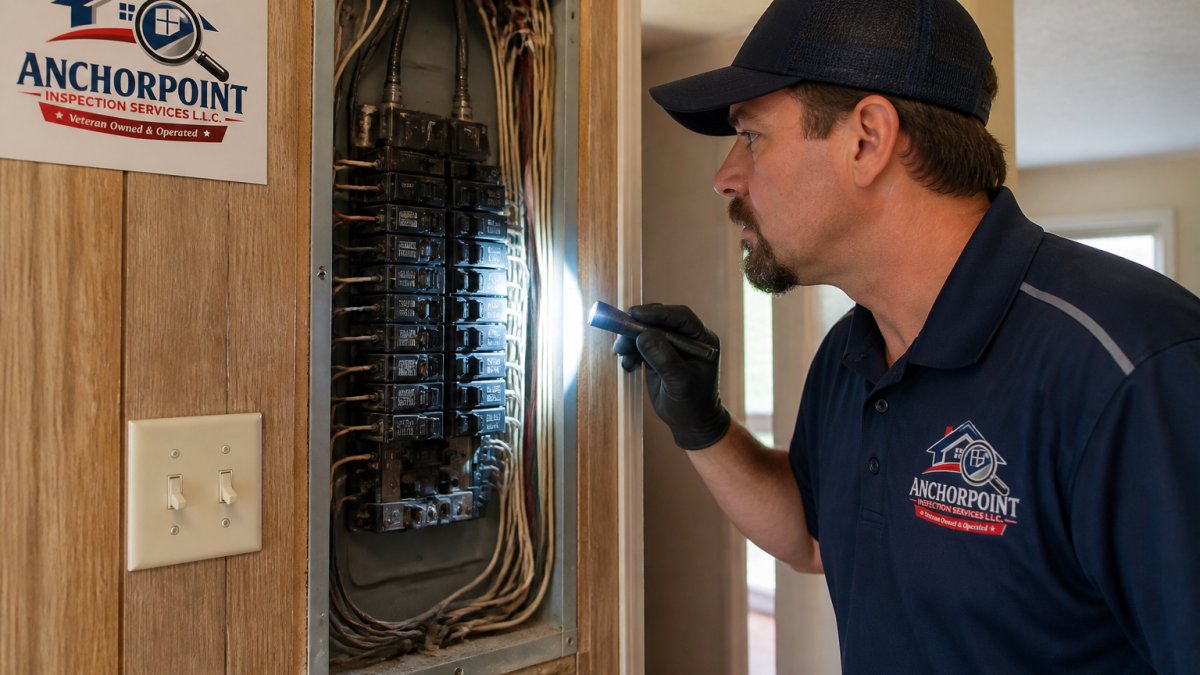
The electrical system is evaluated for proper grounding, adequate capacity, safe panel condition, and functional outlets and switches. The inspector doesn't remove the panel cover but assesses what's visible and operational.
Mechanical systems, heating, cooling, and ventilation, are inspected for proper operation, age, maintenance condition, and safety. The inspector runs the system, checks thermostat function, and notes any obvious wear or malfunction.
How Long Does a Home Inspection Take
A typical home inspection takes between two and four hours, depending on property size, age, and condition.
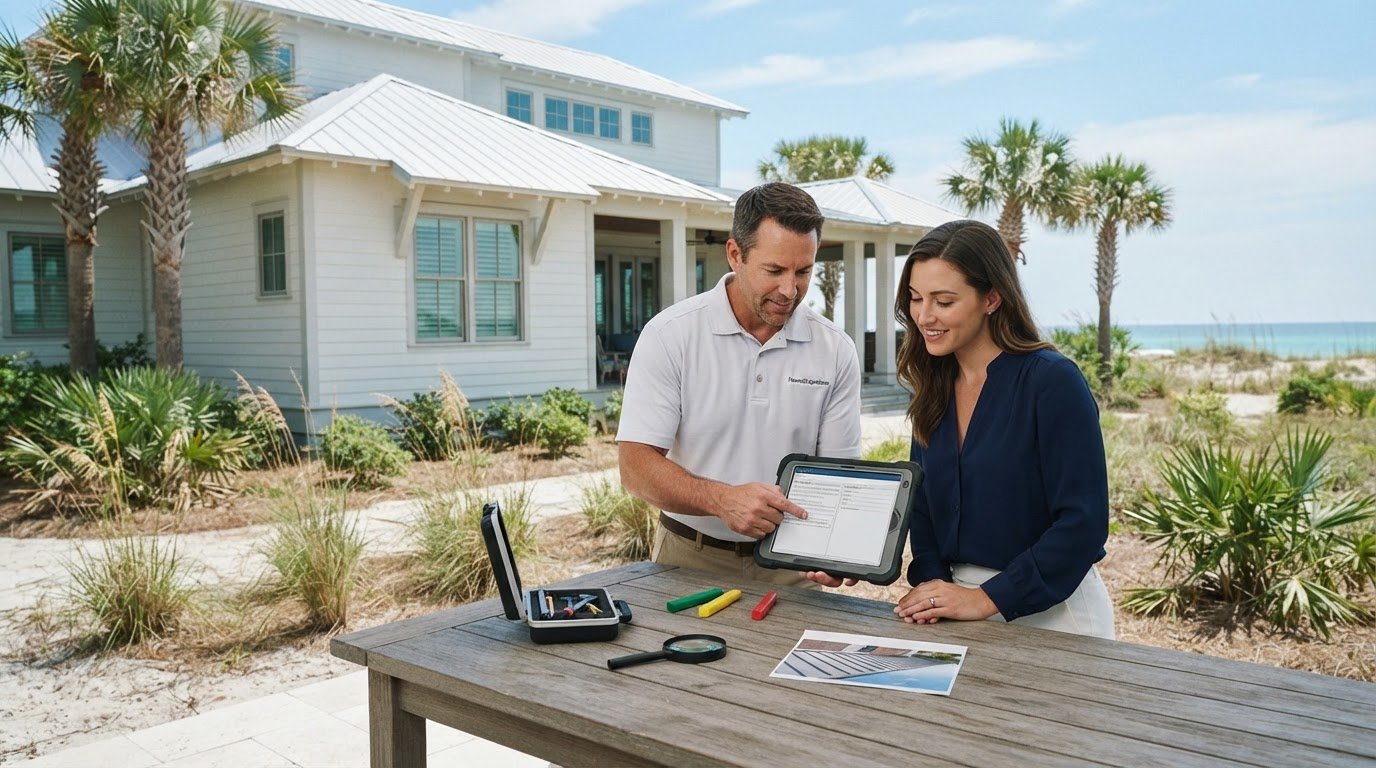
The inspector is thorough, not rushed. This is your opportunity to walk through the property alongside the professional, ask questions, and learn how your home's systems operate and what maintenance they require. Many homebuyers find this educational component invaluable, you're not just getting a report; you're getting a guided tour of your investment.
Key Takeaway The time spent during inspection directly reflects the detail in your final report. A rushed inspection produces a shallow report; a thorough one gives you the information you need to make smart decisions.
Four-Point Inspection Florida: Coverage and Costs
A four-point inspection focuses on four critical systems: roof, electrical, plumbing, and HVAC (heating, cooling, and ventilation).
The four-point inspection is narrower in scope than a standard home inspection, it doesn't evaluate foundation, structure, interior finishes, or other components. However, it provides detailed documentation of those four systems' condition, age, and functionality. Insurers use this report to assess risk and determine whether they'll provide coverage or what terms they'll require.
This specialized inspection serves a specific purpose: helping insurers understand whether the property presents elevated risk based on critical system condition.
Wind Mitigation Inspection Florida: Protection and Pricing
Wind mitigation inspections document features that protect your home from hurricane and severe wind damage. These inspections are particularly relevant in Florida, where wind exposure is a genuine risk.
The inspector evaluates roof-to-wall connections, roof covering type and condition, window and door protection, garage door strength, and overall structural bracing.
Insurance companies use wind mitigation reports to assess your property's resilience and determine wind insurance rates. Homes with strong mitigation features often qualify for insurance discounts.
At Anchorpoint Inspection, we document wind mitigation features thoroughly because we understand how critical this assessment is for your insurance situation and long-term protection.
Watch Out A wind mitigation inspection is not about making your home safer in the moment, it's about documenting existing protective features for insurance purposes. If significant vulnerabilities exist, the report identifies them.
Additional Inspection Services and Add-Ons
A standard home inspection is a visual, non-invasive evaluation of the major systems and components of a home. Some properties have features or risks that fall outside that scope, and that is where specialized inspections and add-ons come in. Knowing which ones apply to your situation helps you avoid paying for services you do not need and avoid missing something important.
New Construction Inspections
New construction inspections evaluate a home at defined phases, typically during framing before drywall is installed and again at final completion. The value is timing: issues caught before drywall goes up are far easier to address than the same issues discovered after the home is finished. Many buyers schedule inspections at multiple phases so that each stage is documented before it is covered up.
11-Month Warranty Inspections
An 11-month warranty inspection, sometimes called a new construction warranty inspection, happens near the end of the builder's first-year warranty period. The goal is to document defects that have emerged during the first year of occupancy so you have a clear, organized list to raise with the builder before the warranty expires. This is one of the most cost-effective inspections a new homeowner can schedule, because it converts the warranty period into an actionable punch list.
Four-Point and Wind Mitigation Inspections
These two specialized inspections are common in Florida and are frequently requested by insurers.
A four-point inspection documents the condition and age of four systems: roof, electrical, plumbing, and HVAC. It is narrower than a full home inspection and is often requested for older homes or at the request of an insurer.
A wind mitigation inspection documents features that affect how a home performs in high wind, such as roof covering, roof-to-wall connections, roof deck attachment, and opening protection. Insurers use the report to understand the property's wind resilience.
Both are focused, documentation-driven inspections. They are not substitutes for a full home inspection, and a full home inspection is not a substitute for either.
Other Specialized Inspections
Depending on the property, other specialized inspections may be worth considering. Each addresses a component that a standard inspection does not evaluate in depth. The right question to ask is whether the property has a feature whose condition or remaining service life materially affects your decision or your budget.
How to Decide Which Add-Ons Are Worthwhile
A simple decision framework helps:
Does the property have the feature? A pool inspection only matters if there is a pool. A well inspection only matters if the home draws from a well.
Will an insurer or lender request it? Four-point and wind mitigation inspections are commonly requested for older homes or coastal properties. If your insurer asks, the decision is made for you.
Does the finding change your decision or your budget? If a specialized inspection could reveal a significant issue, it is usually worth scheduling before you close.
Is the timing right? New construction and 11-month warranty inspections are tied to specific phases of ownership. Missing the window reduces their value.
At Anchorpoint Inspection, we help homeowners think through which inspections apply to their property and explain what each one covers so you can make an informed choice. Our veteran-led team brings the same attention to detail to every inspection, whether it is a standard home inspection, a new construction phase inspection, an 11-month warranty inspection, a four-point inspection, or a wind mitigation inspection.
Why Professional Inspection Matters for Your Investment
A home is likely the largest purchase you'll ever make. A professional inspection provides clarity about what you're buying, what maintenance lies ahead, and what risks or defects exist.
An experienced, certified inspector brings knowledge that protects you. They understand building codes, system operation, common failure patterns, and regional risk factors. They catch issues that an untrained eye would miss.
The inspection report becomes your roadmap for negotiation, budgeting, and maintenance planning. If significant defects emerge, you have documentation to support repair requests or price renegotiation. If everything checks out, you move forward with confidence.
Professional inspection also protects your long-term interests. Understanding your home's systems helps you maintain them properly, catch problems early, and avoid costly failures down the road.
A thorough home inspection is one of the smartest investments you can make when buying or selling property. We help homebuyers, sellers, and investors across Florida understand exactly what they're dealing with, so you can make confident decisions about your property. Learn more about InterNACHI standards to understand the professional credentials behind quality inspections.
Frequently Asked Questions
What factors affect the cost of a home inspection in Florida?
Several key factors influence inspection pricing: the home's square footage, age, property condition, and location within Florida. Larger homes and older properties typically require more time to inspect thoroughly. Regional differences also apply, with urban areas sometimes differing from rural regions. A professional inspector will evaluate your specific property to provide an accurate quote based on these variables.
What does a standard home inspection include?
A comprehensive home inspection covers the foundation, roof, exterior walls, interior systems, plumbing, electrical components, and mechanical systems like heating and cooling. Inspectors examine structural integrity, identify safety concerns, and document the condition of major home systems. You receive a detailed report with photos and explanations of findings, helping you understand your property's condition and any maintenance needs.
What is a four-point inspection in Florida?
A four-point inspection evaluates four critical systems: roof condition, plumbing, electrical, and HVAC (heating and cooling). Insurance companies often require this inspection for older homes or when coverage is being renewed. The report documents the age and condition of these systems, which directly affects your ability to obtain or maintain homeowners insurance in Florida.
How does a wind mitigation inspection in Florida differ from a standard inspection?
A wind mitigation inspection specifically evaluates your home's ability to withstand high winds and hurricanes. It assesses roof shape, attachment methods, window and door strength, and other protective features. Insurance companies use this report to determine eligibility and rates. While a standard inspection covers overall property condition, a wind mitigation inspection focuses exclusively on wind-resistance features critical to Florida's coastal and storm-prone environment.
Schedule Now
Comments