

Certified Professional Inspector in Panama City: How to Choose
What if the word “certified” isn’t the clearest measure of an inspector’s qualifications? When searching for a certified professional inspector Panama City property owners can trust, it helps to distinguish Florida state licensure from credentials issued by a professional association. Each tells you something different, and neither replaces choosing an inspection scope that fits your needs.
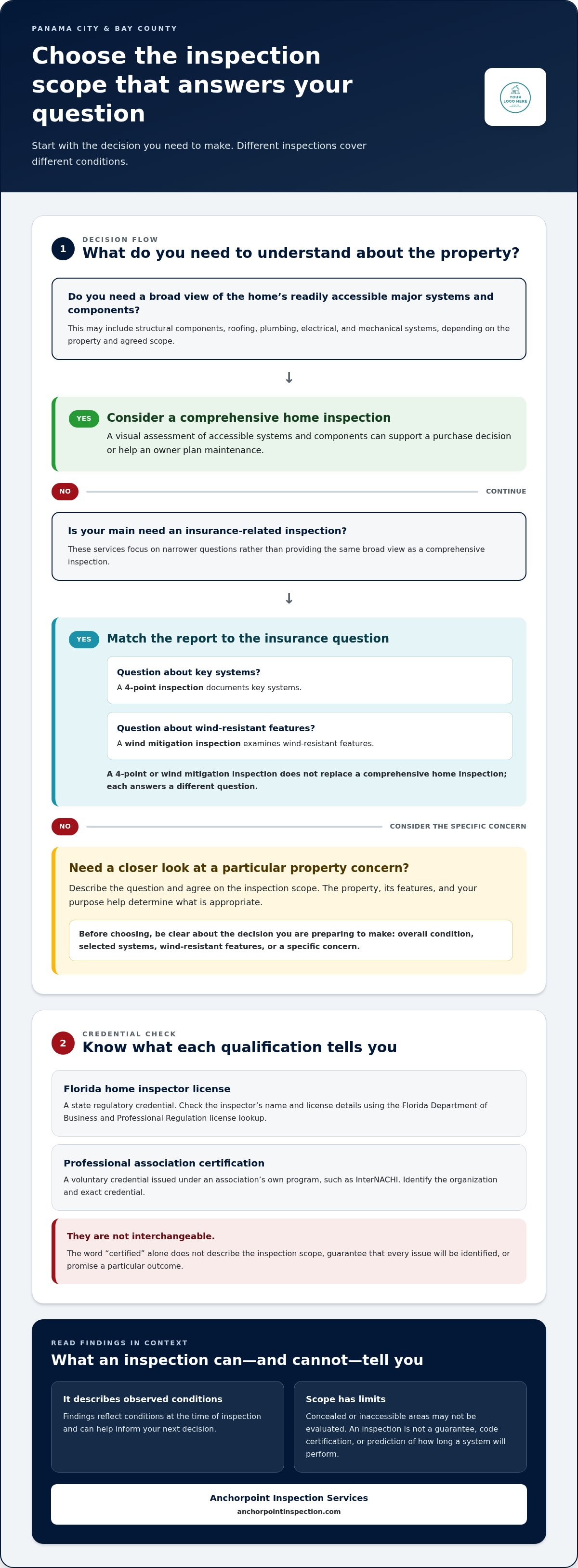
It’s also reasonable to ask whether an inspection will address the conditions you’re concerned about, or whether you need a general evaluation, an insurance-focused inspection, or both. The right choice depends on the property and the decision you’re preparing to make. A comprehensive home inspection examines readily accessible systems and components, while services such as 4-point and wind mitigation inspections focus on specific insurance-related questions.
This guide explains which credentials and experience to consider, how to match inspection services to your property, and how to use findings to plan practical next steps. Anchorpoint Inspection Services serves Panama City and Bay County, and is owned and operated by John R. Gramlick III, a Florida licensed home inspector. Understanding the differences can help you choose an inspection with confidence.
Table of Contents
What a Certified Professional Inspector in Panama City Does for Your Property
Whether you’re deciding to buy, planning maintenance, or responding to an insurance request, an inspection should help answer a specific question about the property. A professional inspector evaluates observable conditions within an agreed scope and documents findings so you can decide what to do next. If you’re searching for a certified professional inspector Panama City residents can trust, begin by understanding what the inspection covers and what the inspector’s credentials mean.
“Certified” can refer to a voluntary credential from a professional association, such as the International Association of Certified Home Inspectors (InterNACHI). That differs from a Florida home inspector license, which is issued by the state. An association credential and a state license are not interchangeable, and the word “certified” alone doesn’t tell you what an inspection includes. For a general overview of the purpose and common elements of a Home inspection, see this background reference.
What does a property inspection evaluate?
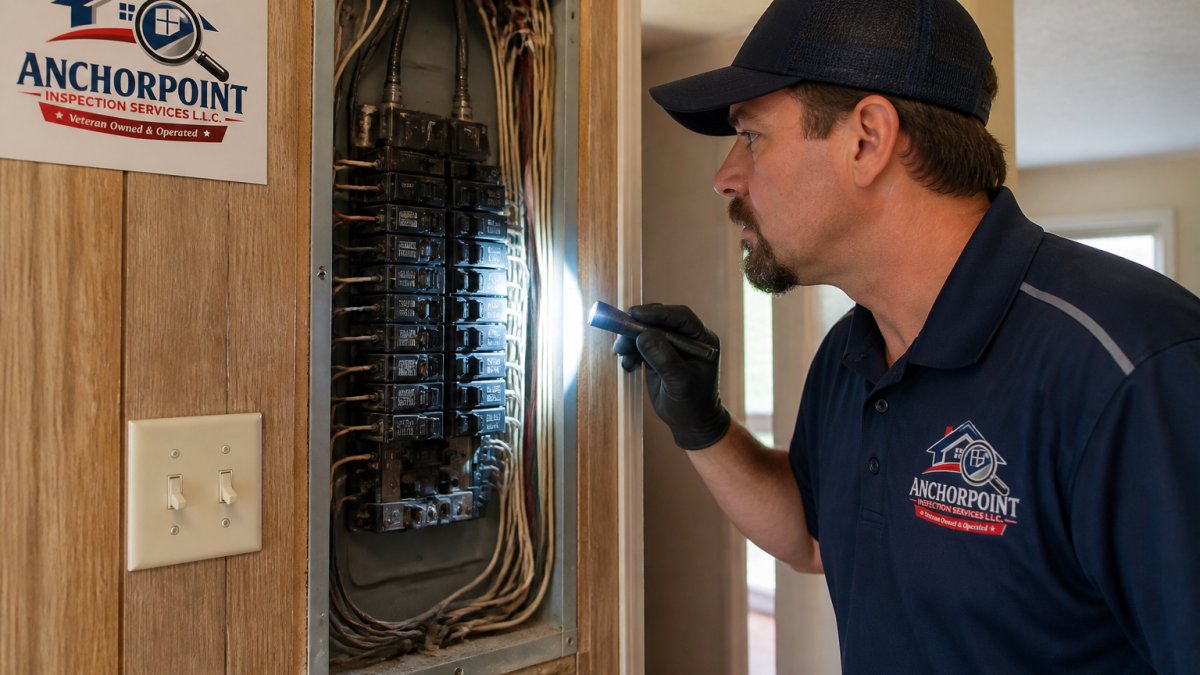
A comprehensive home inspection is a visual assessment of major systems and components that are readily accessible. Depending on the property and agreed scope, these may include structural components, roofing, plumbing, electrical, and mechanical systems. The inspector records observed conditions, giving a buyer information about the home or helping an owner plan maintenance.
The report describes conditions at the time of inspection. It isn’t a guarantee, a code certification, or a prediction of how long a system will perform. Concealed or inaccessible areas may not be evaluated, which is why the inspection scope matters. When reviewing findings, note which system or component is involved, what condition was observed, and whether the report identifies a limitation or a need for further attention.
When does a Panama City property owner need an inspection?
An inspection can support a purchase decision, routine ownership planning, an insurance documentation request, or a closer look at a specific property concern. Panama City and Bay County properties can experience coastal weather exposure, but conditions and risks vary from one address to another. The property’s location, features, and the question you need answered all help determine the appropriate scope.
A comprehensive inspection provides a broader view of accessible home systems and components. Insurance-focused services answer narrower questions: a 4-point inspection documents key systems, while a wind mitigation inspection examines wind-resistant features. One doesn’t replace the other. For more context on insurance-related assessments, read the Florida home insurance inspection guide.
Anchorpoint Inspection Services provides residential and insurance-related inspections for different property needs. Start by identifying what you need to understand: the home’s overall condition, selected systems, or wind-resistant features. That purpose helps determine the appropriate inspection and gives you findings that are relevant to your next decision.
How to Evaluate Inspector Credentials in Panama City
Credentials are useful when you know what each one represents. A Florida home inspector license and a professional association certification come from different sources and serve different purposes. When considering a certified professional inspector Panama City property owners can hire, focus on verifiable license information, the meaning of any association credential, and whether the inspector’s background fits the property and inspection scope.
Florida license and professional certification: what is the difference?
State licensure authorizes practice under applicable rules; association credentials reflect that organization’s program. Florida home inspector licensure is a state regulatory credential. A professional certification, by contrast, is issued by an association according to its own requirements. Check the organization and credential name so you can understand what the designation means instead of treating “certified” as a universal standard.
For Florida licensing information and the state’s license lookup, use the Florida Department of Business and Professional Regulation. Compare the inspector’s name and license details with the state record. If an association credential is presented, identify the issuing organization and exact credential. Neither type of credential, on its own, guarantees that an inspection will identify every issue or produce a particular outcome.
Which credentials and experience should you look for?
Start with details you can verify, then consider whether the inspector’s experience relates to your property and reason for booking. A condo, a new construction project, and a home needing insurance documentation can call for different inspection scopes. Relevant familiarity can help put findings in context, but it doesn’t expand what the agreed inspection includes.
Check that the inspector’s name and license details match the state record.
Identify the association and credential name behind any professional certification.
Consider experience relevant to the property type and requested inspection.
Make sure the inspection scope aligns with the decision you need to make.
Anchorpoint Inspection Services is owned and operated by John R. Gramlick III, a Florida licensed home inspector. Credentials are one part of an informed choice; the other is a clearly defined inspection purpose and scope. Learn about Anchorpoint property inspections and the services available for different property needs.
Match the Panama City Inspection Service to Your Property Need
The right inspection depends on the decision you need to make. A comprehensive inspection gives a broad view of accessible home systems and components, while insurance-focused reports document specific features or systems. One doesn’t substitute for the other. When choosing a certified professional inspector Panama City property owners should look for a scope that fits both the property and the question they need answered.
Coastal weather exposure can make roof condition and wind-resistant features relevant in Panama City and Bay County, but exposure varies by address and property. Use the table to compare common needs with a suitable inspection and the decision it can support.
The outcome you need determines the right inspection scope. A broad assessment can help a buyer or owner understand visible home systems and prioritize questions, maintenance, or further evaluation. It doesn’t serve the same purpose as an insurance-focused report. For help understanding findings, see the home inspection report guide.
When are 4-point, wind mitigation, or roof inspections relevant?
A 4-point inspection focuses on selected major systems for an insurance-related purpose. A wind mitigation inspection documents applicable wind-resistant features, while a roof certification addresses a roof-specific need. These reports have distinct scopes and don’t guarantee an insurance decision or savings. For more detail on roof-focused assessments, read the Florida roof certification guide.
Begin with the request or decision in front of you, then choose the inspection that addresses it. If you’re buying or planning general maintenance, a comprehensive inspection offers broader information. If you need targeted documentation, select the relevant focused service. In some situations, both types may help answer separate questions about the same property.
What to Expect From an Inspector’s Process and Report in Bay County
A useful inspection follows a clear sequence: identify the decision you need to make, define the scope, assess accessible components, document observations, and review practical next steps. This keeps the inspection focused on your needs, whether you’re evaluating a purchase, planning ownership tasks, or documenting a property’s condition.
How does the inspection move from scope to findings?
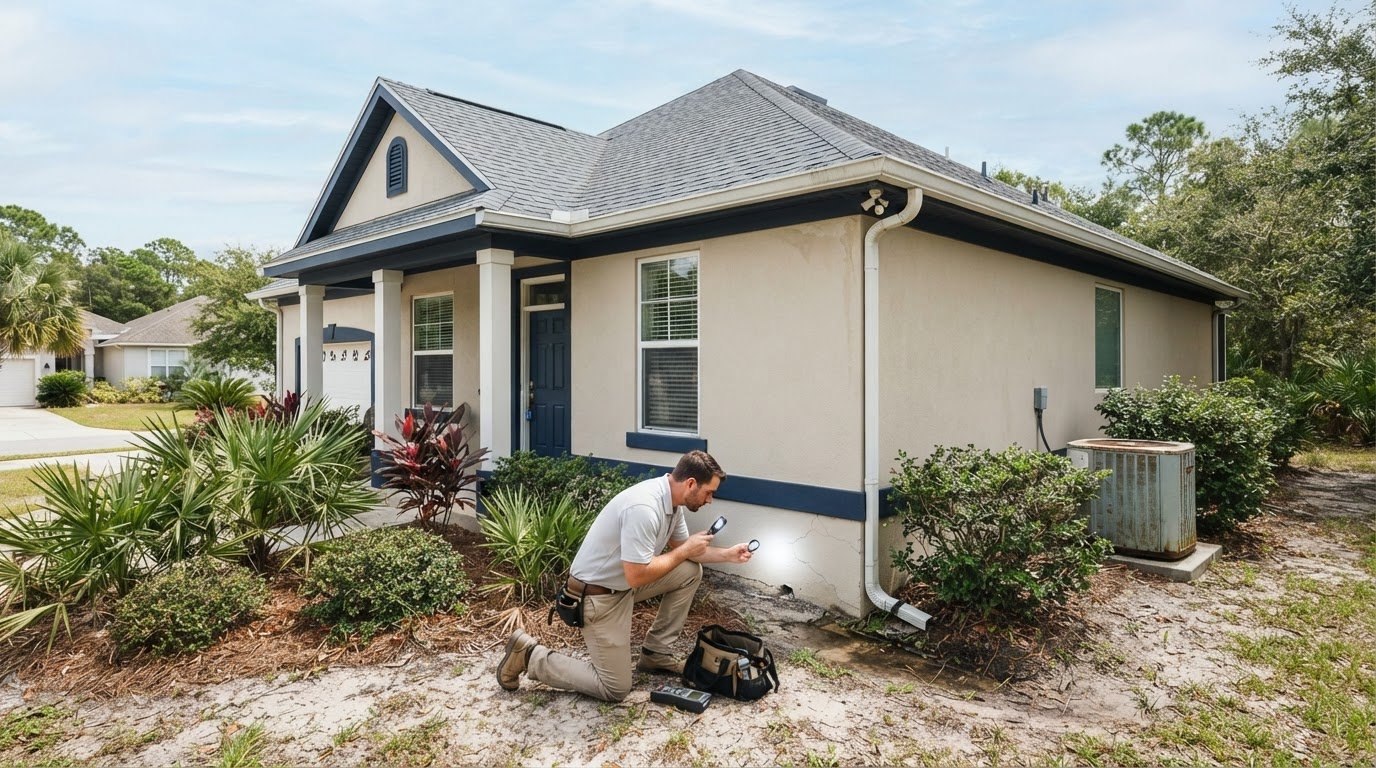
The process begins with the property and the reason for the inspection. A certified professional inspector Panama City property owners hire should work within a scope suited to that purpose. During the on-site visual assessment, the inspector evaluates accessible components and records observable conditions. The report should identify areas that couldn’t be accessed and relevant inspection limitations, so you can see what it does and doesn’t cover.
After the assessment, the report organizes findings by property system or component. These findings reflect conditions observed at the time of inspection. They aren’t a guarantee of future performance, and they can’t describe concealed conditions that weren’t accessible during the evaluation.
How can you use the inspection report?
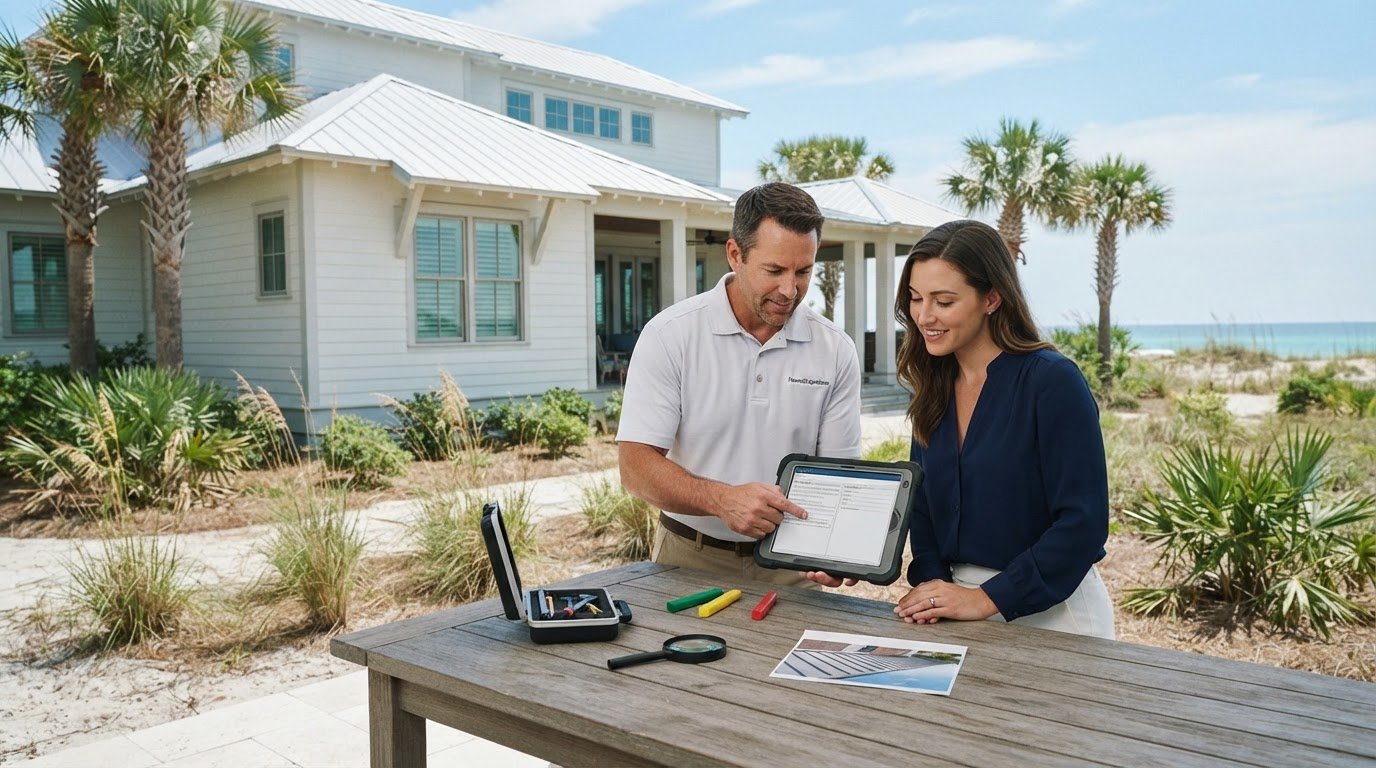
Use the report as a decision-making tool, not just a list of defects. Review findings by system, separate routine maintenance items from concerns that may need further evaluation, and note which questions you want to address first. Buyers can use documented observations to organize questions about the property. Owners can use them to plan maintenance and keep track of conditions over time.
If your inspection relates to new construction, the relevant phase can shape what the inspector evaluates. Anchorpoint provides new construction phase inspections, and the new construction inspection guide offers additional context for that situation.
A clear report should leave you with an understandable record of observations and a practical sense of what to do next. Keep the inspection’s purpose in mind as you review the findings, so your priorities relate to the decision at hand. To see how an inspection can be matched to your property and decision, explore Anchorpoint inspection services.
Choose Anchorpoint for a Panama City Property Inspection
Choosing an inspector comes down to three practical steps: verify the applicable credentials, define what you need to learn, and select an inspection scope that supports that decision. A search for a certified professional inspector Panama City property owners can rely on should lead beyond a credential label. The inspection should fit the property and provide findings you can use.
Anchorpoint Inspection Services serves Panama City and surrounding Bay County communities. Owned and operated by John R. Gramlick III, a Florida licensed home inspector, Anchorpoint provides residential, insurance-related, specialized, and commercial property inspections. The right option depends on whether you’re assessing a home’s general condition, documenting specific features, or evaluating a different type of property.
How Anchorpoint supports residential and insurance inspection needs
A Comprehensive Home Inspection supports a buyer or homeowner who needs a broader view of observable property conditions. For a specific insurance-related need, a 4-Point Inspection and a Wind Mitigation Inspection address different questions. The 4-point report focuses on selected major systems; wind mitigation documentation addresses applicable wind-resistant features. Neither replaces a comprehensive inspection, and neither guarantees an insurer’s decision.
Other situations may call for a Roof Certification, condo evaluation, Pool Inspection, or 11 Month Warranty inspection. Each focuses on a different property feature or stage of ownership. Matching the service to your purpose helps keep the report relevant, so you can use the findings to organize questions, plan maintenance, or consider appropriate next steps.
What makes a local inspection process useful?
Anchorpoint serves Bay County properties, where conditions can vary from one address to another. A useful assessment considers the property and agreed inspection scope rather than assuming every home faces the same concerns. Clear reporting helps you understand what was observed and keep priorities grounded. It describes findings, not guarantees about future performance.
For property situations beyond a typical residential purchase or ownership assessment, Anchorpoint also provides commercial property inspections and new construction phase inspections. The property type and the decision you need to make guide the scope.
Once you’ve identified the question you need answered, choose an inspection that matches it. Schedule an inspection with Anchorpoint for your Panama City or Bay County property.
Make Your Next Property Decision With Clarity
Choosing a certified professional inspector Panama City property owners can trust starts with separating credentials from inspection scope. Verify the inspector’s Florida license, understand what any association credential represents, and identify the decision your inspection needs to support. A broad property-condition assessment and an insurance-focused report answer different questions, so match the service to your purpose.
Anchorpoint Inspection Services is owned and operated by John R. Gramlick III. The company serves residential, insurance-related, specialized, and commercial property needs in Panama City and surrounding Bay County communities. Clear findings can help you organize questions, plan maintenance, and decide on practical next steps without treating an inspection as a guarantee of future performance.
Whether you’re buying, maintaining, or documenting a property, a well-matched inspection can make the next decision easier to approach. Schedule a Panama City property inspection with Anchorpoint and move forward with a clearer understanding of your property.
Frequently Asked Questions
What does “certified professional inspector” mean in Florida?
In Florida, “certified professional inspector” may describe a credential awarded by an association through its own training, examination, or other requirements. It’s separate from state licensure, which is a regulatory qualification. If an inspector uses a certification, identify the issuing organization and the exact credential. You can also verify Florida license information through the state’s official license lookup. Neither credential guarantees a particular inspection outcome.
How do I verify a home inspector’s Florida license?
Use the Florida Department of Business and Professional Regulation’s official license lookup and search by the inspector’s name or license information. Confirm the record matches the person who will perform your inspection and review its current status. An association certification is a separate credential, not a substitute for state licensure. Consider it according to the issuing organization and its stated requirements, alongside the inspector’s relevant experience, scope, and reporting practices.
Is a certified inspector better than a licensed inspector?
Not necessarily. “Licensed” and “certified” describe different credentials, so they aren’t direct alternatives. Florida licensure relates to state authorization, while an association certification reflects that organization’s credential program. If you’re considering a certified professional inspector Panama City property owners might hire, look beyond the title. Consider experience relevant to your property, whether the inspection scope fits your decision, and whether the report explains findings clearly.
What is the difference between a 4-point inspection and a wind mitigation inspection?
A 4-point inspection documents selected major home systems for an insurance-related purpose. A wind mitigation inspection documents applicable features related to a property’s wind resistance. They answer different questions, so one shouldn’t be assumed to replace the other. If you’ve received an inspection request, identify which report it calls for, then choose the matching scope. Neither report guarantees an insurance decision or a particular savings outcome.
Does a home inspection guarantee that a property has no problems?
No. A home inspection documents observable conditions within the agreed scope at the time of the visit. Concealed components, inaccessible areas, and conditions that change later can affect what’s reported. A clear report should explain its findings and limitations. Buyers can use the information to organize property questions, while owners may use it to plan maintenance or consider whether further evaluation is appropriate. It isn’t a guarantee of future performance.
What inspection services can Anchorpoint provide in Panama City?
Anchorpoint provides comprehensive home inspections, 4-point inspections, wind mitigation inspections, roof certifications, pool and condo inspections, new construction phase inspections, 11-month warranty inspections, and commercial property assessments. The scope should match the property and the decision you need to make. Anchorpoint serves Panama City and communities including Lynn Haven, Panama City Beach, Callaway, Southport, Mexico Beach, Port St. Joe, Santa Rosa, Fort Walton, Niceville, Destin, Pensacola, Gulf Shores, and San Destin.
Comments