

Annual Home Maintenance Inspection in Florida: A 2026 Homeowner’s Guide
What if a yearly inspection gave you more than a to-do list? Florida’s heat, humidity, heavy rain, and storms can make home care feel like a constant guessing game. An annual home maintenance inspection Florida homeowners use as a condition snapshot can help replace guesswork with useful observations, without taking the place of routine maintenance or your own decisions.
A professional inspection is not the same as a maintenance visit or an insurance inspection. A comprehensive home inspection provides information about a home’s observable structural, roofing, and mechanical components. Specialized inspections address specific insurance needs. No inspection can prevent every problem or predict exactly when a component will need repair, but its findings can help you plan follow-up.
This guide explains what a yearly professional inspection can and can’t reveal, how Florida conditions shape maintenance priorities, and how to turn findings into practical next steps. It also clarifies how professional inspections differ from ongoing upkeep and insurance-related inspections, so you can build a manageable home-care plan.
Table of Contents
Why an Annual Home Maintenance Inspection Matters in Florida
An annual home maintenance inspection is a professional review of a home’s observable condition at a particular point in time. It helps the owner plan follow-up, but it does not perform repairs or ongoing maintenance. For Florida homeowners, that snapshot can make upkeep more manageable. Instead of relying only on what catches your eye during daily life, use a structured review to understand visible conditions and decide what deserves attention.
A recurring review also gives you a point of comparison. Keep inspection findings with repair records so you can see which observations have changed, stayed stable, or received follow-up. That history helps you plan household tasks in a sensible order, while repair decisions and routine care remain your responsibility.
A Home inspection generally evaluates observable aspects of a property to inform decisions about its condition. It is still a snapshot, not a forecast: the report describes what was observed during the inspection. It does not guarantee that a component will keep performing or that hidden conditions are absent.
What is an annual home maintenance inspection?
Think of it as a professional visual assessment, separate from cleaning gutters, servicing equipment, or repairing a worn component. Findings describe conditions that were observable at the time of the inspection. They can help you identify questions for follow-up, but the report does not certify future performance or replace regular homeowner upkeep. The focus is condition information, not completing maintenance work.
Why Florida Panhandle homes benefit from planned reviews
Sun and heat expose exterior materials to prolonged weather. Humidity and heavy rain make it practical to pay attention to roofing and structural conditions, while storms can leave changes worth reviewing even when damage isn’t immediately obvious. These are reasons to stay observant, not predictions that a particular home has a problem.
In Bay County communities such as Lynn Haven, Panama City, Panama City Beach, Callaway, and Southport, local weather is one part of a homeowner’s planning picture. Consider it alongside the home’s age, recent weather exposure, and repair history. If you had roof work done last year, for example, keep the records together and note any later changes to discuss during a future review.
For an annual home maintenance inspection Florida homeowners can use as a planning tool, focus on the information it provides rather than expecting a pass-or-fail verdict. Anchorpoint Inspection Services’ comprehensive home inspections evaluate structural, roofing, and mechanical components. The observations can help you decide what to monitor and where follow-up may be useful, while routine maintenance remains an ongoing part of caring for the home.
What an Annual Home Inspection Can Review
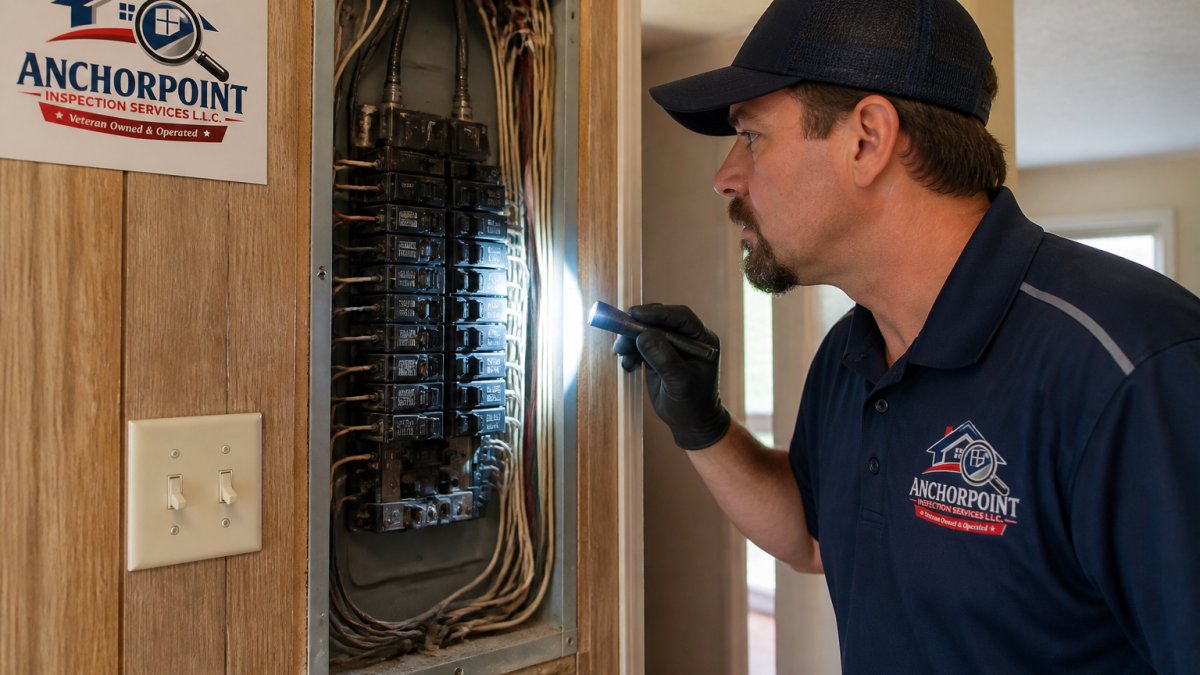
A comprehensive home inspection gives homeowners an organized view of observable conditions in key parts of a property. Anchorpoint Inspection Services evaluates structural, roofing, and mechanical components, providing information to help you decide what to monitor and where follow-up may be useful. The inspection does not assess every concealed area or predict how each component will perform in the future.
What can be observed depends on access and visibility on inspection day. Stored belongings, locked areas, weather, or other conditions may limit the view of a component. An observation is also not the same as a diagnosis or repair recommendation from a qualified specialist. Consider the findings alongside maintenance records and what you’ve noticed around the home.
Roof, exterior, and signs of water entry
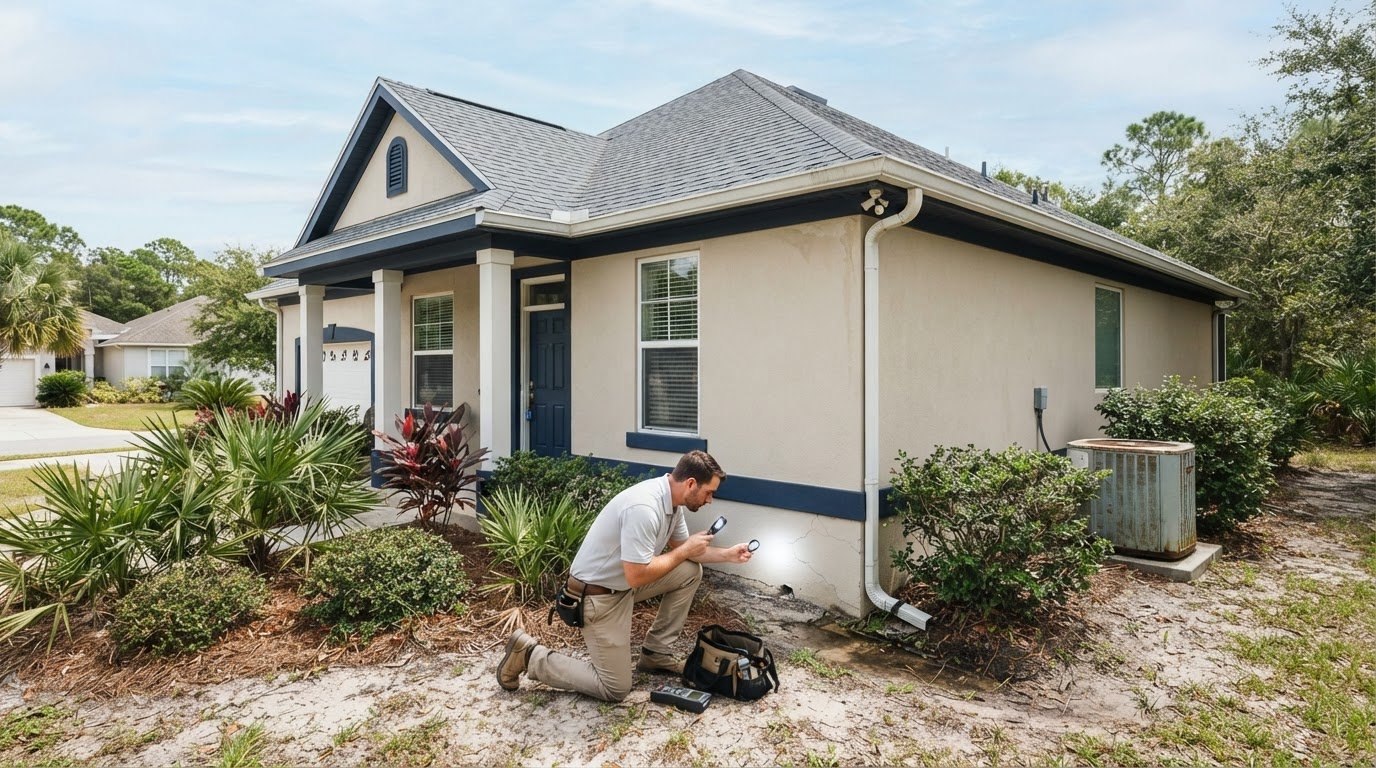
In a rainy, storm-exposed region, visible roof and exterior conditions can help guide attention. An inspector may note observable wear, drainage concerns, or gaps in exterior sealing. These findings point to conditions to consider, not a prediction that a leak will occur or proof that water has entered. A visual review does not perform repairs, so any needed work is a separate next step.
For Bay County homeowners, a note about drainage or exterior sealing may prompt you to record when the condition appears, such as after heavy rain, and whether it has changed. Dated photos and repair records can help you track observations. A Florida homeowner maintenance checklist can also help you organize routine upkeep, which is different from documenting observable conditions during a professional inspection.
Structural and mechanical components
Structural observations can help you understand the visible condition of relevant components. Observations of mechanical systems can help identify items to monitor or discuss for further evaluation. Read each finding in context: what was observed, where it was observed, and what follow-up is suggested. No single observation guarantees anything about hidden areas or future operation.
That distinction matters in an annual home maintenance inspection Florida homeowners use to plan care. The inspection provides condition information; maintenance tasks and repairs are separate activities. If a report notes a concern, decide whether to monitor the area, arrange appropriate follow-up, or add a task to your home-care plan.
Reports may use technical terms to describe observed conditions. Use this home inspection report guide when reviewing findings and identifying practical next steps. Anchorpoint’s comprehensive home inspections help homeowners in Lynn Haven, Panama City, Panama City Beach, and surrounding communities understand observable structural, roofing, and mechanical conditions. Explore Anchorpoint’s residential inspection service to learn more.
Annual Inspection, DIY Upkeep, or Insurance Inspection: What’s Different?
These activities all play a role in caring for a Florida home, but they answer different questions. Homeowner upkeep is ongoing, a professional inspection provides a condition perspective, and an insurance inspection addresses documentation or questions tied to an insurer’s process. Knowing the difference helps you choose the right next step without expecting one activity to replace another.
Professional inspection versus routine homeowner maintenance
Homeowners manage the recurring work of caring for a property. That can include cleaning, watching for changes, and arranging routine servicing. These everyday tasks help you stay familiar with the home, but they are not the same as a professional condition review. An inspector documents observations within the inspection scope; the inspection does not complete maintenance or repairs.
The roles complement each other. If you notice a change between inspections, record it and consider whether it needs attention. A professional review adds context about observable conditions, while maintenance records help you understand what work has already been done.
Annual review versus insurance-focused inspection
An annual review helps you understand home condition for maintenance planning. An insurance-focused inspection serves a different purpose, such as addressing insurer-specific questions or documentation. Do not assume a general home inspection will satisfy an insurer’s request. Requirements and underwriting decisions vary, and an inspection does not guarantee a premium reduction.
Anchorpoint offers specialized inspections, including 4-Point and Wind Mitigation Inspections, alongside comprehensive home inspections. Choose the type that fits the purpose of the review. For more detail on insurance-related inspection types, see this Florida home insurance inspection guide.
When comparing options, start with the information you need: upkeep guidance, a broader condition perspective, or documentation for an insurance process. A comprehensive home inspection can make the annual home maintenance inspection Florida homeowners plan more useful. Explore Anchorpoint’s comprehensive home inspection.
How to Turn Inspection Findings into a Florida Home Care Plan
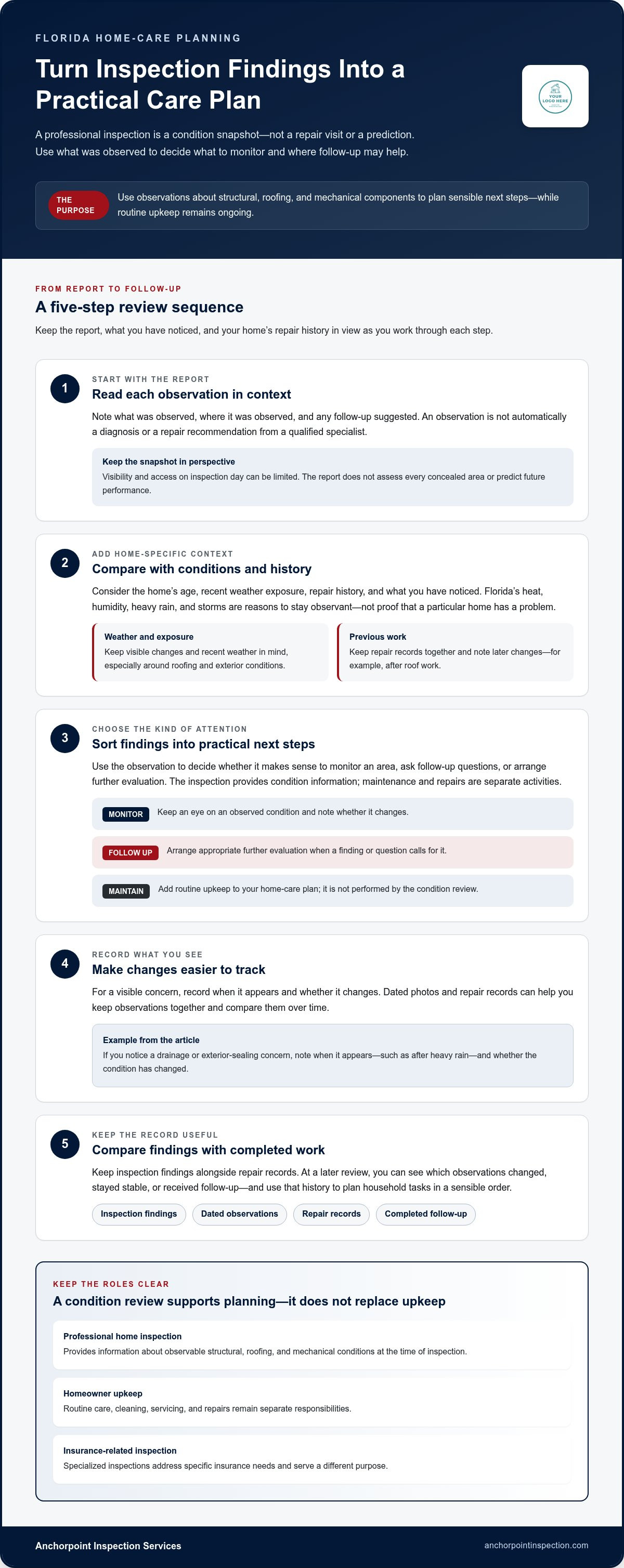
An inspection report is most useful when you turn its observations into manageable next steps. You don’t need to tackle every note at once. Read each finding in context, identify what needs clarification, and record what you do. This makes an annual home maintenance inspection Florida homeowners arrange part of a practical care routine, rather than a document filed away and forgotten.
Read the findings carefully. Start with the description of each observed condition and its location. Note any recommended follow-up or limits described in the report. If the wording isn’t clear, ask the inspector to explain the observation before deciding what it means for your home.
Clarify what needs attention first. Separate a possible safety concern or sign of active damage from routine maintenance notes and conditions to monitor. Follow the report’s guidance, and don’t assume an item is urgent, harmless, or costly based on a brief description alone. If the condition remains uncertain, arrange an appropriate qualified assessment.
Plan and arrange follow-up. Decide whether an item calls for further evaluation, maintenance, repair, or a future check. Make the next step specific, such as recording a change to monitor or scheduling a qualified professional to assess a concern. The inspection report informs the decision but does not prescribe work beyond its findings.
Track completed work. Record what was addressed and when, and retain relevant invoices, service notes, or photographs. These records help you review a later report and distinguish an existing observation from a condition that has changed.
Prioritize findings without assuming the worst
A finding is a prompt to understand a condition, not a reason to jump to conclusions. Give safety-related observations and signs of active damage careful attention, then separate them from routine upkeep and items the report suggests monitoring. Use the report’s description to guide follow-up. Avoid setting your own repair deadline or severity when the evidence doesn’t support it; a qualified assessment can help clarify uncertain conditions.
Keep a year-round record of home condition
A simple folder or digital note is enough. Save inspection reports, repair records, dated photographs, and brief notes about changes you’ve noticed. For homeowners in Lynn Haven, Panama City, and nearby communities, these records can make it easier to compare observations across seasons or after significant weather. A photo taken after a storm, for example, can help you remember when a visible change first appeared. Keep the system easy to maintain, and update it when work is completed or a new observation matters.
A professional report gives you organized information to support your decisions, while you remain in control of the plan. If a comprehensive home inspection would help you understand your home’s observable condition and plan follow-up, schedule a home inspection with Anchorpoint.
Plan a Professional Home Inspection with Anchorpoint
A comprehensive home inspection gives you a clearer picture of observable conditions in a home’s structural, roofing, and mechanical components. That information can support practical decisions about what to monitor, what to maintain, and where further evaluation may be useful. It is a condition review, not a repair service or a guarantee about future performance.
Anchorpoint Inspection Services is owned and operated by Florida-licensed home inspector John R. Gramlick III. The company serves homeowners in Lynn Haven, Panama City, Panama City Beach, Callaway, Southport, and surrounding communities. Keep your home’s age, past repairs, and exposure to Florida weather in mind when organizing records and questions for an inspection.
What to prepare before the inspection
A little preparation can keep useful information close at hand. Gather prior inspection reports, records of repairs or servicing, and notes about changes you’ve noticed. For example, write down when you first observed a change and whether it appeared after heavy rain. This context helps connect an observation to the home’s history without assuming what caused it.
Keep relevant reports and repair records together so they’re easy to reference.
Make areas you want reviewed accessible where practical, such as moving stored items away from an area of interest.
Share known concerns and questions so they can be considered during the inspection.
Access and visibility can affect what’s observable on inspection day. Preparing an area does not mean every component or concealed space can be assessed, but clear access can make the available view more useful.
Use the findings to make informed decisions
After the inspection, read the report and its limits before deciding what to do. Connect each observation to a measured next step: keep a condition on your watch list, arrange maintenance, or seek further evaluation when the report indicates a concern that needs clarification. Don’t treat every note as an emergency or assume an observation identifies the cause of a condition.
Keep the report with your home records. Add relevant photographs and document any work you arrange, including the date and a brief description. These notes can help you compare conditions later and understand what has changed. A professional inspection provides information; homeowners decide how to use it and coordinate any maintenance or repair work that follows.
For homeowners planning an annual home maintenance inspection Florida properties can benefit from a clear, documented view of observable condition. Anchorpoint’s comprehensive home inspections offer a structured way to review key components and use findings as a basis for follow-up. The goal is clarity, not alarm, so you can plan care at a pace that makes sense for your home.
Anchorpoint serves homeowners in Lynn Haven, Panama City, Panama City Beach, Callaway, Southport, Mexico Beach, Port St. Joe, Santa Rosa, Fort Walton, Niceville, Destin, Pensacola, Gulf Shores, and Sandestin. Schedule a home inspection with Anchorpoint for a professional review of your home’s observable condition.
Make Your Next Home-Care Step a Clear One
Give home care a steady place in your calendar rather than waiting until a concern feels urgent. Choose a time each year to review property records, note changes, and decide whether a professional perspective would help. A consistent routine makes an annual home maintenance inspection Florida homeowners arrange easier to compare with prior observations and completed work.
Your next step doesn’t need to be a long list. Start with the question you most want answered, then gather records that may provide useful context. Shape your priorities around the home’s history and the changes you’ve noticed, rather than relying on a one-size-fits-all schedule. A measured approach helps you focus on what you know, identify what needs clarification, and make decisions at a pace that fits your household.
When you’re ready for a professional review, schedule a home inspection with Anchorpoint. A clear view of your home’s current condition can help you move forward with confidence, one practical decision at a time.
Frequently Asked Questions
Is an annual home maintenance inspection required in Florida?
No. A routine annual home maintenance inspection isn’t a universal requirement for every Florida homeowner. Separate circumstances, such as an insurer’s documentation request or rules that apply to certain buildings, may call for a specific inspection, but that’s different from scheduling a general yearly review. If you receive a formal request, identify its purpose and required inspection type first. A general condition review may not meet an insurer’s documentation needs.
How often should a Florida homeowner schedule a maintenance inspection?
There’s no single interval that suits every property. An annual home maintenance inspection Florida homeowners choose can provide a consistent planning rhythm, but consider a new review when the home’s age, a major repair, or a noticeable change makes updated information useful. Homeowners in Lynn Haven, Panama City, Panama City Beach, Callaway, Southport, Mexico Beach, Port St. Joe, Santa Rosa, Fort Walton, Niceville, Destin, Pensacola, Gulf Shores, and Sandestin can use property records and recent weather exposure to inform their timing.
Can an annual inspection help me lower my Florida home insurance premium?
Not automatically. A general home inspection doesn’t guarantee a lower premium. A wind mitigation inspection may document features an insurer considers when evaluating eligibility for insurance credits, but the outcome depends on the insurer and policy. Before arranging an insurance-focused inspection, review what documentation your insurer requests. Don’t assume a general maintenance report can replace a specialized inspection or form required for an insurance decision.
Does an annual home inspection include repairs or maintenance work?
No. A home inspection provides observations about the property; it doesn’t include completing maintenance or repairs. For example, a report may describe a visible condition that you decide to monitor or have addressed, but the inspection itself doesn’t fix it. Keep inspection findings separate from work records, and document any maintenance or repair you arrange so you can refer to it later.
Should I schedule an inspection after a Florida storm?
Consider a professional inspection if you notice a change or have concerns about the home after a storm. First, stay clear of apparent hazards and don’t climb onto the roof to investigate. From a safe location, note what you can see and when you noticed it. If you’re considering an insurance claim, follow your insurer’s process as well; an inspection doesn’t determine coverage or replace its requirements.
What should I do with my home inspection report after the visit?
Save the report with your home records, preferably as a digital copy you can find by date. Mark findings you want to follow up on, and add notes when work is completed or a condition changes. Keep related receipts and dated photos with the relevant report. This organized record can help you compare observations at a later review and explain the home’s repair history when questions arise.
Comments