

7 Ways Energy Efficiency Shapes Your Home Inspection
Last Updated: November 10, 2026
Quick Summary
An energy efficiency home inspection checks how well a house keeps heat in during winter and out during summer. It reviews insulation, air sealing, windows, doors, heating and cooling equipment, and ductwork to find where energy escapes and where the home wastes money on utility bills.
Insulation and air leakage are often the largest sources of wasted energy in a home.
Common air-leakage spots include attic hatches, recessed lights, and gaps where pipes and wires pass through walls.
Leaks in ductwork can waste a large share of the conditioned air a system produces.
Blower-door testing measures how much air leaks into the house through gaps and cracks.
Read your report by ranking findings on safety first, then largest energy losses, then system age.
Wondering what your home is really costing you?
Anchorpoint Inspection provides energy-focused, photo-documented inspections across the Florida Panhandle.
Table of Contents
What an Energy Efficiency Home Inspection Covers
An energy efficiency home inspection checks how well a house keeps heat in during winter and out during summer.
A standard home inspection looks at the overall condition of the house. An energy-focused inspection goes a step further.
Anchorpoint Inspection is led by an InterNACHI Certified Professional Inspector. Findings are photo-documented and explained in plain language, so you know what each issue means for your home.
What the Inspector Reviews
Here is what a typical energy-focused inspection reviews:
Insulation: How much is installed and where it is missing or damaged
Air leakage: Gaps and cracks that let conditioned air escape
Windows and doors: Seals, frames, and signs of drafts
How the Inspection Is Performed
A visual walk-through is the foundation. The inspector moves through the attic, crawl space, utility areas, and every room, noting insulation depth, air-sealing gaps, window and door condition, and the visible condition of heating and cooling equipment and ductwork.
Some inspections add diagnostic tools that go beyond what the eye can see. These are worth understanding because they turn guesses into measurements:
Blower-door testing: A calibrated fan is mounted in an exterior doorway and pulls air out of the house. The inspector measures how much air leaks in through gaps and cracks, producing a single air-leakage number.
Infrared thermography: A thermal camera reads surface temperatures and reveals cold or hot spots that suggest missing insulation, hidden air leaks, or moisture. It is a screening tool, not a substitute for a physical look.
Duct-leakage testing: A fan and pressure gauge are used to measure how much conditioned air escapes from the duct system before it reaches the rooms.
Ask what tools will be used before you book, so you know whether you are getting a visual review or a measured one.
A Room-by-Room Checklist You Can Use
You do not need to wait for a professional to start noticing problems. Walk your home with this list before or during the inspection:
Attic: Look for insulation that is thin, compressed, or pushed aside; check that vents are not blocked by insulation or stored items.
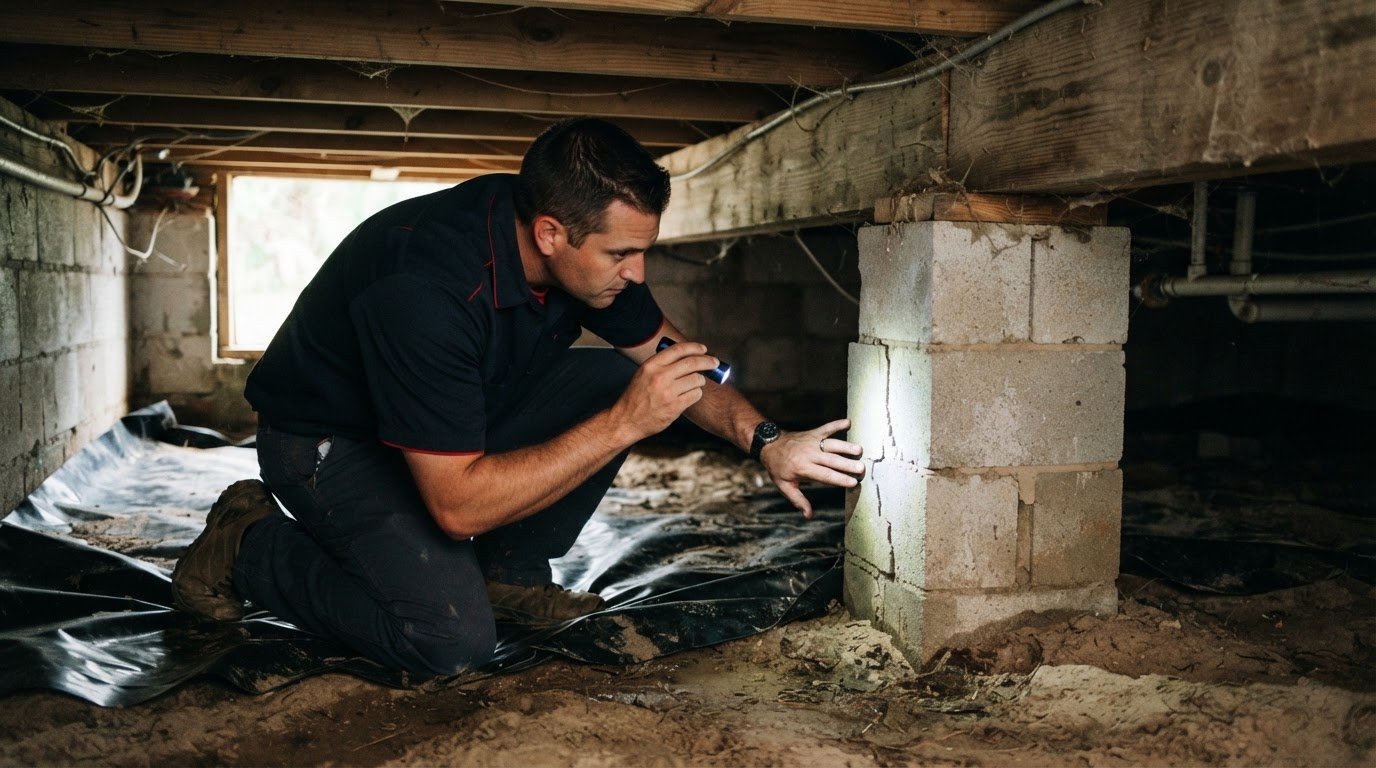
Crawl space: Look for insulation that has fallen, sagged, or is wet, and for water stains on wood.
Living areas: Feel for drafts near windows and exterior doors; check that caulk and weatherstripping are intact.
Watch out: a home that feels drafty in one room but comfortable elsewhere usually has a localized air-sealing or duct problem, not a whole-house failure, so note the specific location rather than assuming the worst.

Why Energy Efficiency Matters When You Buy or Own a Home
Energy efficiency affects your monthly budget long after you move in. A home that loses heat or cooling wastes money every month.
Energy efficiency also affects comfort. Rooms that are too hot, too cold, or drafty are harder to live in.
For buyers, an energy inspection shows what the home will cost to run. For owners, it highlights upgrades that can pay off over time.
Consider these common benefits of knowing your home's energy condition:
Lower utility bills
More consistent temperatures from room to room
Better indoor air quality
ENERGY STAR home sealing and insulation guidance
Insulation and Air Leakage: The Biggest Energy Losses
Insulation and air leakage are often the largest sources of wasted energy in a home. Heated or cooled air can escape through gaps in the attic, walls, floors, and around openings.

(/post/how-to-check-attic-ventilation-before-buying-a-florida-home). In a crawl space, the inspector checks for insulation on the floor or walls, along with moisture and ventilation issues.
Here is what to look for in these areas:
Insulation that is thin, wet, or flattened
Bare spots where insulation has been removed
Vents blocked by insulation or stored items
Spotting Drafts Around Windows and Doors
Drafts are a sign that air is moving where it should not. You may feel a cool breeze near a window in winter or notice a warm spot near a door in summer. An inspector looks at the caulking, weatherstripping, and frames around these openings.
Common signs of drafts include:
Cracked or missing caulk around window frames
Worn weatherstripping on doors
Gaps under exterior doors
Heating, Cooling and Ductwork Efficiency
Heating and cooling systems often use the most energy in a home. An energy-focused inspection reviews the age, condition, and basic operation of these systems.
U.S. Department of Energy guide to duct sealing and insulation
Ductwork issues to watch for include:
Disconnected or loose duct sections
Gaps at joints and seams
Ducts running through unconditioned spaces without insulation
Crushed or kinked flex duct
A system's age matters too. Older equipment often runs less efficiently than newer models. The inspector can note the age of the system so you can plan for future replacement.
Energy-Efficient Home Features Worth Looking For
Some features help a home use less energy. When you look at a home, these features are worth noting:
Good insulation levels in the attic, walls, and floors
Sealed ductwork with no visible leaks
Efficient windows with intact seals and good frames
Programmable or smart thermostats that help manage run times
These features do not guarantee low bills, because how a family uses the home matters too. Still, they are a good starting point. You can confirm the condition of these features through your inspection. For help confirming an inspector's background before you hire one, you can review our qualifications.
Home Energy Audit vs. Standard Home Inspection
Many people wonder whether they need a standard home inspection, an energy audit, or both. The two serve different purposes.
Feature | Standard Home Inspection | Home Energy Audit |
Main focus | Overall safety and condition | How energy is used and lost |
Typical scope | Structure, systems, roof, plumbing, electrical | Insulation, air leakage, ducts, equipment efficiency |
Common use | Home purchase | Improving efficiency or planning upgrades |
Output | Condition report with findings | Efficiency findings and upgrade priorities |
A standard inspection covers the whole house. An energy audit goes deeper into how the home uses energy.
If you are buying a home, a combined review can help you understand both the condition and the running costs before you commit.
How to Read and Prioritize Your Energy Findings, and Book Your Inspection
An inspection report can list many items, so it helps to sort them. A useful way to read a report is to rank each finding on four questions: Does it affect safety? How much energy does it waste? How urgent is it? And how much effort does the fix take? A finding that scores high on safety and energy waste moves to the top; a minor gap around an outlet moves to the bottom.
A Simple Prioritization Framework
Use these tiers to organize the report:
Safety first. Anything involving combustion appliances, carbon-monoxide concerns, or moisture that could damage the structure comes first. These are not optional.
Largest energy losses. Attic insulation gaps, major air leaks, and duct problems waste the most energy month after month. These usually offer the biggest return for the effort.
Systems nearing end of life. Note the age of heating and cooling equipment so you can plan for future replacement rather than being surprised by it.
Low-cost, high-value fixes. Sealing drafts, replacing weatherstripping, and closing small gaps are inexpensive and add up.
Cosmetic or marginal items. These can wait.
Reading the Report Like an Editor
A good report separates observations from recommendations. Observations tell you what the inspector saw. Recommendations tell you what to do about it. Read the observations first so you understand the condition, then read the recommendations so you understand the options.
Watch out: a long report can make small items look as urgent as large ones, so resist the urge to fix everything at once, group the low-cost items and tackle the high-impact ones first.
Matching the Inspection to Your Situation
Different buyers and owners need different things from an energy inspection:
Buyers: Use the findings to understand running costs and to decide what to negotiate or plan for after closing.
Owners: Use the report to plan upgrades in a sensible order and to track improvements over time.
Sellers: Use it to find and address issues before listing, so the home presents well.
When to Book
The best time to schedule is before you commit to a purchase or before you plan upgrades. A combined review gives you both the condition of the home and a clear picture of how it uses energy.
When you are ready to schedule, book your energy efficiency inspection online with our team.
Get a clear picture of your home's energy performance before you commit to it. Anchorpoint Inspection provides photo-documented reports that explain every finding in plain language.
Frequently Asked Questions
Is a home energy audit worth it?
A home energy audit can be worth it when you want a detailed picture of where your home loses heat, cool air and money. It goes deeper than a standard home inspection by focusing on insulation levels, air leakage, duct performance and how your systems use energy. The findings give you a prioritized list of upgrades, so you can spend on fixes with the largest payoff first. Buyers and owners of older homes often gain the most, since aging materials and systems tend to waste the most energy. Compare the audit's cost against your current utility bills to judge the likely payback.
What is the difference between a home inspection and a home energy audit?
A standard home inspection checks the overall condition and safety of a home, including the roof, structure, plumbing, electrical and major systems. An energy audit focuses specifically on how efficiently the home uses energy. It measures insulation, air leakage and ductwork performance, and it recommends upgrades. Many energy efficiency items show up during a general inspection, such as missing attic insulation or drafty windows, but a full audit uses specialized tools and tests to quantify the problems. For buyers, the home inspection is the core due diligence step, and an energy audit adds detail where energy costs are a concern.
Can a home inspection recommend ways to improve energy efficiency?
Yes. A thorough home inspection notes energy-related conditions and explains how the systems operate, which helps you target improvements. Inspectors commonly flag insufficient attic insulation, gaps around windows and doors, older heating or cooling equipment, and visible duct leaks. The report itself does not usually prescribe a specific retrofit or quote a cost, but it identifies the issues so you can ask a qualified contractor to evaluate them. Clear photos and plain-language notes make it easier to prioritize which fixes to address first.
What energy-efficiency issues can a home inspection identify?
Common findings include inadequate or missing insulation in the attic, walls and crawl space, air leakage around windows, doors and penetrations, and outdated or poorly maintained heating and cooling equipment. Inspectors also look for ductwork that is disconnected or uninsulated, windows with failed seals, and lighting or appliances that appear inefficient. Identifying these items early helps you negotiate with the seller or budget for upgrades before you move in.
Comments