

Home Inspection for Flipping Houses in Destin: Foundation Checks
A foundation concern deserves more than a quick glance. A home inspection for flipping houses in Destin can assess visible foundation, crawlspace, and structural conditions, then document the findings in a written report. This gives you a clearer picture of observed conditions before you weigh repairs and renovation plans.
Before committing to a flip, it’s reasonable to want a clearer picture of the property beneath its cosmetic finishes. An inspection can identify visible signs that may need further evaluation, while the report explains what was observed and what could not be assessed. This article outlines what a home inspection in Destin covers, how foundation and crawlspace checks fit into the process, and what the findings can tell you. You’ll also learn how to use the results to plan your next decision with greater clarity.
Table of Contents
What does a home inspection in Destin look like?
A thorough inspection gives a flip buyer a clearer view of visible property conditions. In Destin, the inspector examines accessible components and records observations to help inform repair planning.
For renovations in Destin or Okaloosa County, permit and code requirements depend on the work and property location. Review the applicable local requirements before setting a renovation scope. A sale contract can include an inspection contingency that makes the sale depend on receiving and approving structural, mechanical, and/or environmental inspections. Repair costs depend on the defect, materials, access, and work needed, so inspection findings can help define the scope but do not establish a price.
Inspection providers serving Destin may cover different nearby communities, so the property’s address determines whether a service area fits. Residential inspections typically examine visible areas such as roof coverings, electrical components, plumbing fixtures, HVAC, and exterior features. A 4-point inspection focuses on the roof, electrical, plumbing, and HVAC systems; wind mitigation and roof certification address separate questions about a property.
Additional Fixer-Upper Inspections
A general inspection may identify visible concerns, while focused inspections examine specific systems more closely. A roof inspection reviews the covering; an HVAC assessment considers system operation, and sewer and termite inspections can investigate concerns beyond visible interior surfaces. These findings help distinguish observable maintenance needs from issues requiring specialized evaluation.
Coastal Conditions and Property Risks
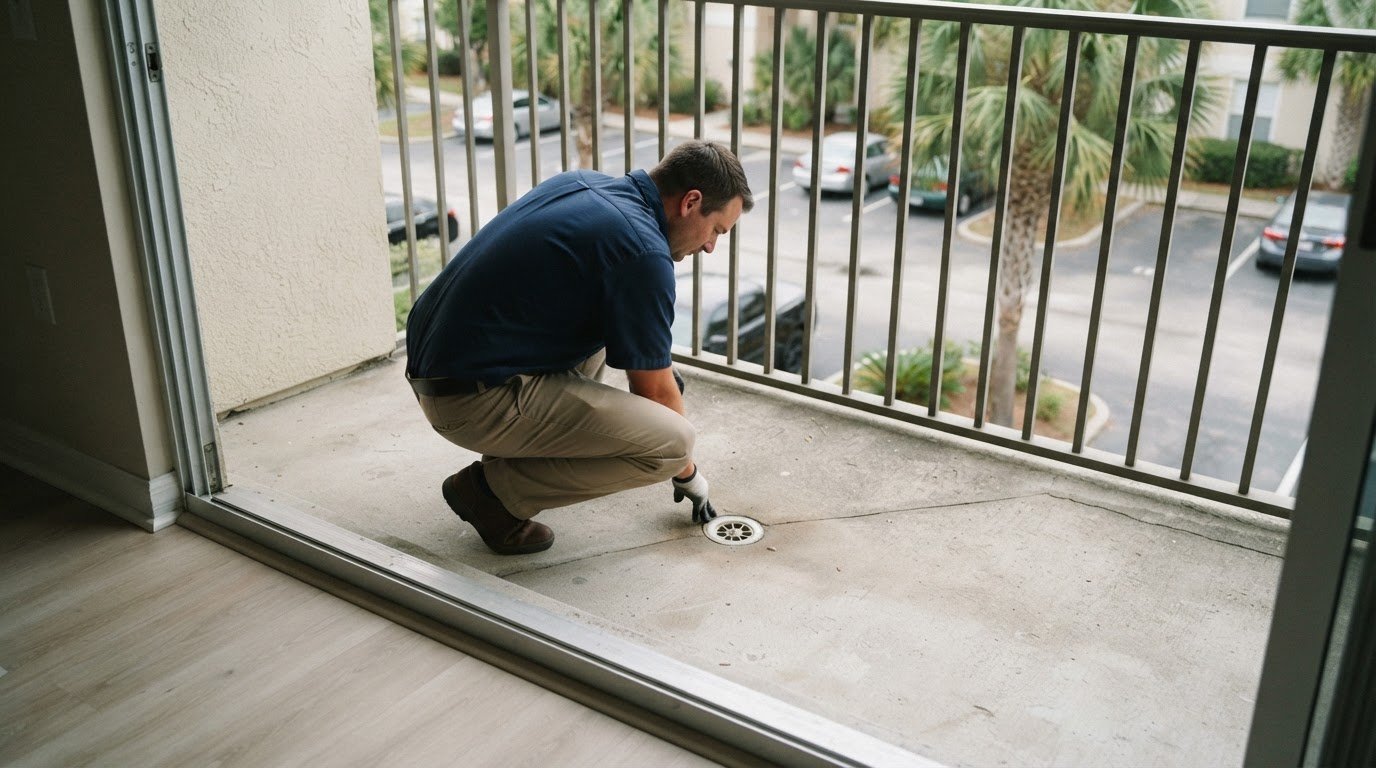
Salt air can affect HVAC equipment, fasteners, electrical components, railings, balconies, and exterior hardware. Inspectors also note visible moisture intrusion, drainage conditions, and storm-related damage. A home inspection can document observed conditions and wind-protection features, but flood-zone status and elevation requirements involve property-specific information beyond a visual inspection.
Attending the Inspection
Buyers are encouraged to attend the inspection and use the walkthrough to understand the documented observations. Ask which findings could affect repair planning, what areas were inaccessible, and whether a concern merits specialist evaluation. For a flip, these questions connect visible conditions with renovation priorities without treating the inspection as a repair estimate.
Can you perform a foundation inspection?
Yes. A home inspector can assess accessible foundation and structural components for visible conditions. The inspection documents observations such as cracking, movement, or signs of moisture where surfaces can be seen. For a Destin flip, these details can help show which areas may affect renovation planning. They don’t establish the condition of concealed materials behind finishes or in inaccessible spaces. If an observation needs technical diagnosis, the report can identify the concern for further evaluation.
The inspector also reviews major home systems and components. The inspection may include electrical systems, plumbing fixtures, HVAC, appliances, and visible roof coverings. Exterior checks can include balconies, railings, and other accessible components. These observations help connect a visible defect with the system or area that may need attention. For example, moisture intrusion near an exterior wall is worth documenting alongside the visible condition of the wall and nearby finishes.
Inside, doors and windows are assessed for visible damage and operation. Inspectors may note sticking, damaged frames, or gaps that affect how a component functions. Interior walls, ceilings, and floors can show signs that help describe the home’s condition, though those signs alone don’t establish their cause. The report records what was observable during the inspection, including areas where stored items or finishes limited access.
HVAC operation has an important seasonal limit: inspection standards state that the inspector isn’t required to operate cooling equipment when the exterior temperature is below 65° Fahrenheit. The inspector can still document visible equipment conditions and note operational limits. A focused 4-point inspection evaluates the roof, electrical system, plumbing system, and HVAC system. For broader property findings, a comprehensive home inspection can help organize visible concerns across the home and support informed repair planning.
Foundation, crawlspace, and structure inspection
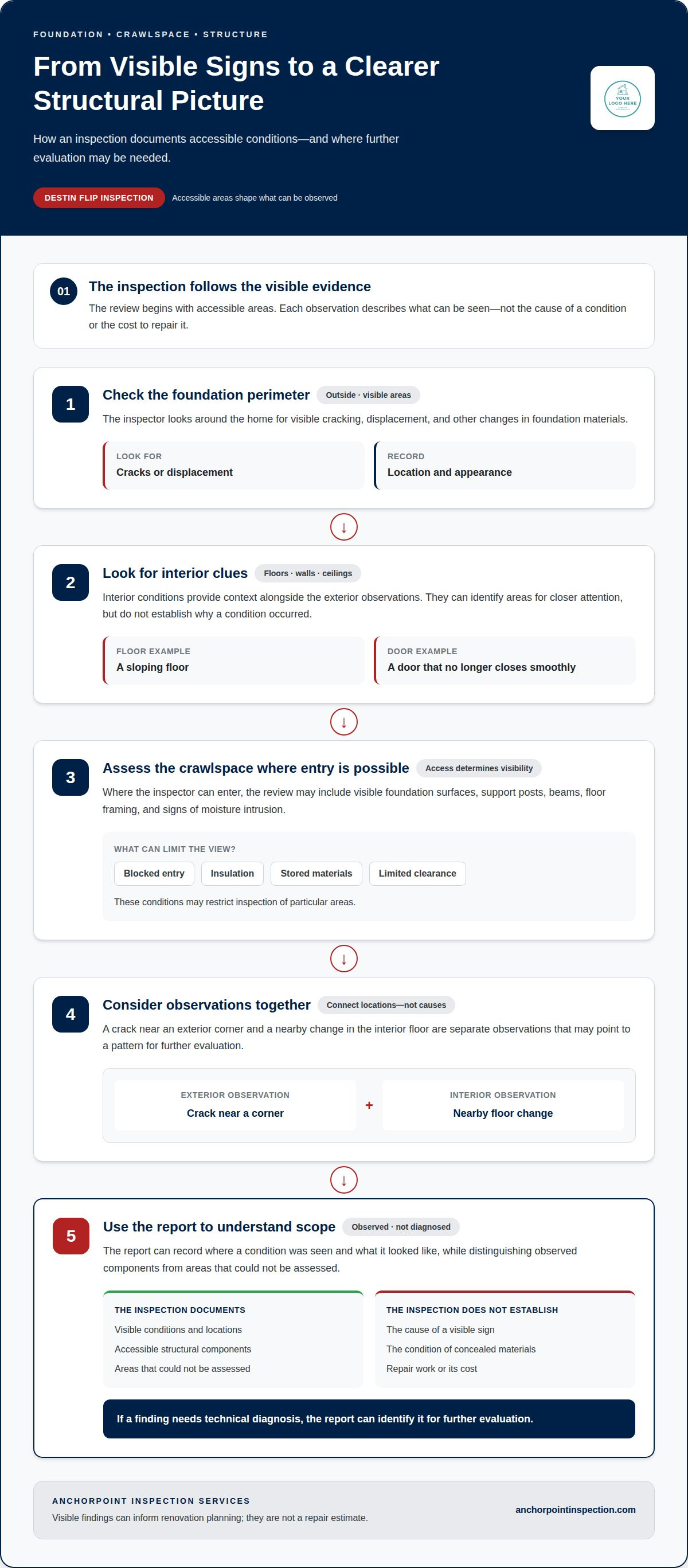
A foundation and structure review starts with visible, accessible areas around the home. For a home inspection for flipping houses in Destin, the inspector examines the foundation perimeter for cracking, displacement, and other changes in the materials. Inside, floors, walls, and ceilings provide context: a sloping floor or a door that no longer closes smoothly can point to areas for closer attention. These observations describe conditions, not their cause. The report can record a finding’s location and appearance so buyers can assess its relevance to the planned renovation.
In a crawlspace, access and visibility shape what the inspector can observe. Where entry is possible, the review may include visible foundation surfaces, support posts, beams, floor framing, and signs of moisture intrusion. A blocked entry, insulation, stored materials, or limited clearance can restrict the view of particular areas. The report should distinguish between components observed and areas that could not be assessed, giving buyers a clearer picture of the inspection’s scope.
Structure findings become more useful when considered together. For buyers planning a home inspection for flipping houses in Destin, a crack near an exterior corner and a nearby change in the interior floor are separate observations that may point to a pattern for further evaluation. The inspector documents visible conditions and locations rather than estimating repair work or diagnosing concealed structural causes. This distinction helps buyers separate observable concerns from questions that require a more specialized assessment.
For a flip, use the report to connect each structural observation with the affected room or area. Note whether the finding is accessible, whether related symptoms appear nearby, and whether the inspector recommends additional evaluation. Those details can guide renovation planning before closing and help buyers decide which questions need resolution before finalizing the purchase. The inspection provides a snapshot of the property’s condition, not a guarantee about concealed materials or future performance.
Inspection reports and home condition
An inspection report turns observed conditions into a practical record for evaluating a Destin property. For a house flip, use it to distinguish visible damage from routine maintenance and identify findings that may affect renovation priorities. The report describes what the inspector observed during the inspection; it does not establish the condition of concealed components or provide a repair estimate.
Read each finding in context. A note about moisture intrusion, for example, identifies an observed condition, while its location and affected area help explain its relevance. Salt air in Destin can affect HVAC equipment, fasteners, electrical components, railings, balconies, and exterior hardware. A finding involving corrosion on an exterior railing may therefore matter differently from a minor cosmetic issue. The report organizes observations, but diagnosis and repair scope may require additional evaluation.
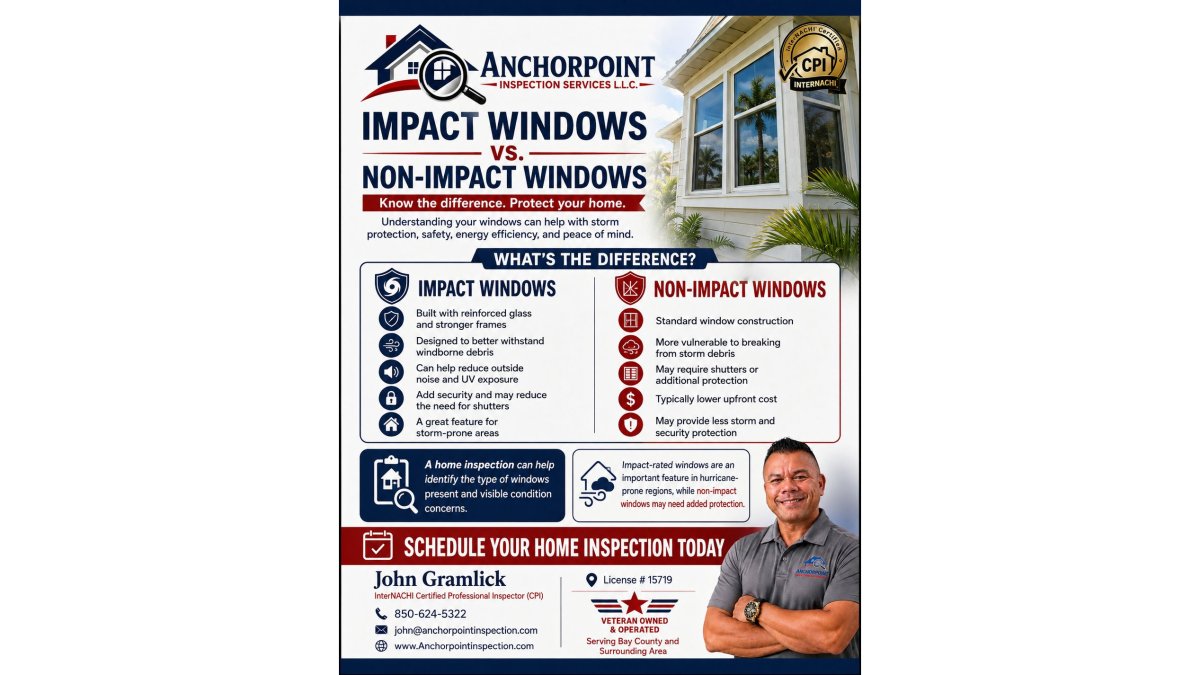
Separate inspection types answer different questions. A 4-point inspection evaluates the roof, electrical system, plumbing system, and HVAC system. A wind mitigation inspection documents features that may help protect a home against wind damage and may support an application for potential insurance discounts. A roof certification provides information about the roof covering’s observed condition and estimated remaining useful life. These reports can add useful context to a flip plan, but they do not replace a comprehensive view of the property.
Use the findings to build a decision sequence: identify damage or maintenance concerns, note where they occur, and determine which items need further assessment before renovation planning. For a newly built property, an 11-month warranty inspection can identify builder defects before the warranty expires. A new-construction inspection can also identify defects or incomplete work before a purchase closes. Match the report to the property’s age, condition, and transaction stage, then use its documented observations to guide your next steps.
Arrange a comprehensive home inspection to get a clearer record of visible property conditions before planning a Destin flip.
Anchorpoint Inspection Services: Comprehensive Home Inspection
Anchorpoint Inspection Services provides a Full Home Inspection to help flip buyers understand a property’s visible condition before planning repairs. The inspection considers accessible areas and major home components, giving you a documented basis for prioritizing findings and deciding whether further evaluation is needed.
For a narrower purpose, a 4-Point Inspection evaluates the roof, electrical, plumbing, and HVAC systems. A Wind Mitigation Inspection documents features that may help protect a home against wind damage. An 11 Month Warranty inspection can help identify builder defects before the warranty expires. Choosing the scope that fits the property and your decision helps keep the findings relevant to your next step.
For a clearer view of a Destin property before you plan a flip, contact Anchorpoint Inspection Services to discuss a Comprehensive Home Inspection.
Plan Your Next Move With Clearer Information
A home inspection for flipping houses in Destin can give your purchase decision a firmer starting point, but the next step is turning observations into a workable plan. Before committing to a renovation scope, connect each inspection finding to the decision it affects: whether to proceed, seek further evaluation, or adjust project priorities. This keeps the property’s documented condition separate from assumptions about repair needs.
Consider how the property will serve your goals after renovation. The areas that matter most may depend on the planned work, the home’s intended use, and findings that need closer attention. A measured review can help you focus on decisions that affect the project rather than getting distracted by cosmetic details.
Anchorpoint Inspection Services can help you choose an inspection scope that fits your property and decision. Contact Anchorpoint Inspection Services to discuss the next step for your Destin property. A clear plan starts with understanding what you’re buying, and you can move forward one informed decision at a time.
Frequently Asked Questions
What does a home inspection cover when buying a house to flip in Destin, Florida?
A residential inspection reviews accessible major systems and components, from the foundation to the roof. For a Destin flip, the report can document visible conditions involving the structure, roof, electrical system, plumbing, HVAC, and interior. Photos can help connect a finding to its location, such as a damaged ceiling below a roof area. The inspection describes observed conditions, not concealed defects.
How can a professional home inspection report help investors estimate a house-flip budget?
A report helps investors organize potential work, but it isn’t a repair estimate. Use its documented observations to distinguish visible maintenance from findings that may need specialist assessment. For example, treat a noted roof concern as a budgeting item that needs a separate scope, rather than assigning it an assumed repair amount. This helps structure project priorities without mistaking inspection findings for contractor pricing.
How can buyers choose a licensed home inspector serving Destin, Florida, and verify the inspector’s credentials?
Confirm the inspector’s identity and credentials, then match the name to the person conducting the inspection. Anchorpoint Inspection Services’ lead inspector, John Gramlick III, is a licensed Florida home inspector and an InterNACHI® Certified Professional Inspector®. Buyers are encouraged to attend the inspection. Service areas include Destin, Lynn Haven, Panama City, Panama City Beach, Callaway, Southport, Mexico Beach, Port St. Joe, Santa Rosa, Fort Walton, Niceville, Pensacola, Gulf Shores, and San Destin.
How do inspection contingencies and Florida disclosure rules affect buying a fixer-upper in Destin?
A sale contract can include an inspection contingency that makes the sale depend on receiving and approving structural, mechanical, and/or environmental inspections.
Comments