

What Does a Home Inspection Include? Full Buyer's Guide
Last Updated: October 23, 2026
Quick Summary
A home inspection is a professional, visual examination of a property's readily accessible systems and components, documented in a written report. It covers the roof, foundation, exterior, interior, plumbing, electrical, heating and cooling systems, attic, and built-in appliances. The purpose is to give you a clear picture of property condition at the moment of inspection, not to pass or fail the house.
Most single-family home inspections take two to four hours, depending on the home's size, age, and condition.
An inspection is a visual, non-invasive evaluation of accessible areas, not a technical engineering analysis or code compliance inspection.
Findings generally fall into three buckets: safety hazard, major defect, and maintenance item.
Read the full report, not just the summary, and separate safety items from maintenance items.
Ask your inspector to flag every inaccessible area in writing so you know what was and was not examined.
Table of Contents
What a Home Inspection Covers: The Big Picture
Home Inspection Checklist for Buyers: Room by Room and System by System
Roof, Foundation, and Structural Elements
Exterior, Drainage, and Grading
Interior, Windows, Doors, and Attic
Plumbing, Electrical, and HVAC Systems
What a Home Inspection Does Not Include: Scope and Limitations
How Long Does a Home Inspection Take?
Home Inspection Report Examples: How to Read Your Findings
Home Inspection Tips for Buyers: Before, During, and After
Frequently Asked Questions
What a Home Inspection Covers: The Big Picture
A home inspection is a professional, visual examination of a property's readily accessible systems and components, documented in a written report. At Anchorpoint Inspection, we walk buyers through the roof, foundation, exterior, interior, and core mechanical systems so they understand exactly what they are buying before closing day.
The purpose is not to pass or fail a house. It is to give you a clear picture of property condition at the moment of inspection. That distinction matters more than most buyers realize.
Here is the throughline for this entire guide: an inspection is a snapshot of visible conditions, not a guarantee about the future. Once you accept that, everything else, from how long it takes to how you read the report, makes sense.
A typical inspection covers these major areas:
Roof and visible roofing components
Foundation and structural elements
Exterior walls, siding, and trim
Drainage, grading, and gutters
Interior walls, ceilings, and floors
Windows and doors
Attic, insulation, and ventilation
Plumbing systems and visible fixtures
Electrical system and panel
Heating and cooling systems
Built-in appliances and fireplaces
Home Inspection Checklist for Buyers: Room by Room and System by System
Think of this section as your working checklist. We examine each item for condition, function, and signs of deterioration, then photograph anything that needs attention. The list below is organized the way an inspector actually moves through a house, so you can follow along during the walkthrough and review the report afterward with the same map in mind.

Beyond the initial assessment of structural integrity and safety, observing the mechanical operations during a
home system walkthrough
provides a deeper understanding of how each component functions under daily demand.
Roof, Foundation, and Structural Elements
The roof and foundation carry the most weight in any property condition assessment because problems there are expensive to correct.
Roof and visible roofing components. We examine the roof covering, flashing, and visible penetrations from the ground, the eaves, and, when safe, the roof surface. We look for lifted or missing shingles, worn sealant around vents and chimneys, rusted or loose flashing, and granule loss that signals an aging surface.
Foundation and structural elements. We look at the foundation for cracks, settlement, and moisture intrusion, and check structural elements like beams, posts, and framing where accessible. What most guides miss is that a crack is not automatically a defect. Hairline shrinkage cracks in a slab are common.
Exterior, Drainage, and Grading
Water is the most persistent enemy of a house, and drainage is where it starts.
Exterior walls, siding, and trim. We inspect siding, trim, and exterior wall coverings for damage and deterioration, including loose or missing pieces, rot at trim and fascia, and gaps where water can enter.
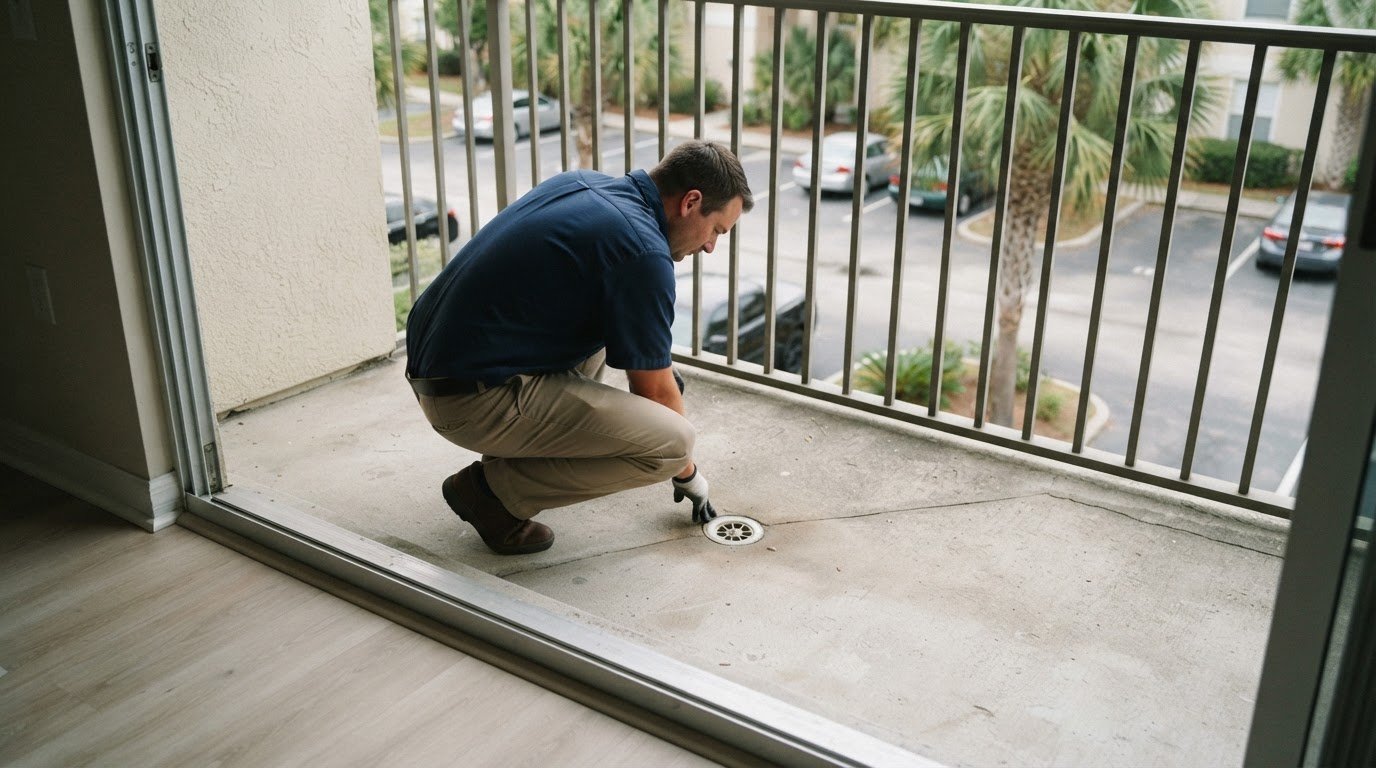
Drainage, grading, and gutters. We check grading around the home to confirm the ground slopes away from the structure, and we examine gutters and downspouts for function and discharge location. A common mistake is ignoring the downspout.
Driveways, walks, and patios. We look for settlement, cracking, and trip hazards, and we note where hard surfaces slope toward the house rather than away from it.
Interior, Windows, Doors, and Attic
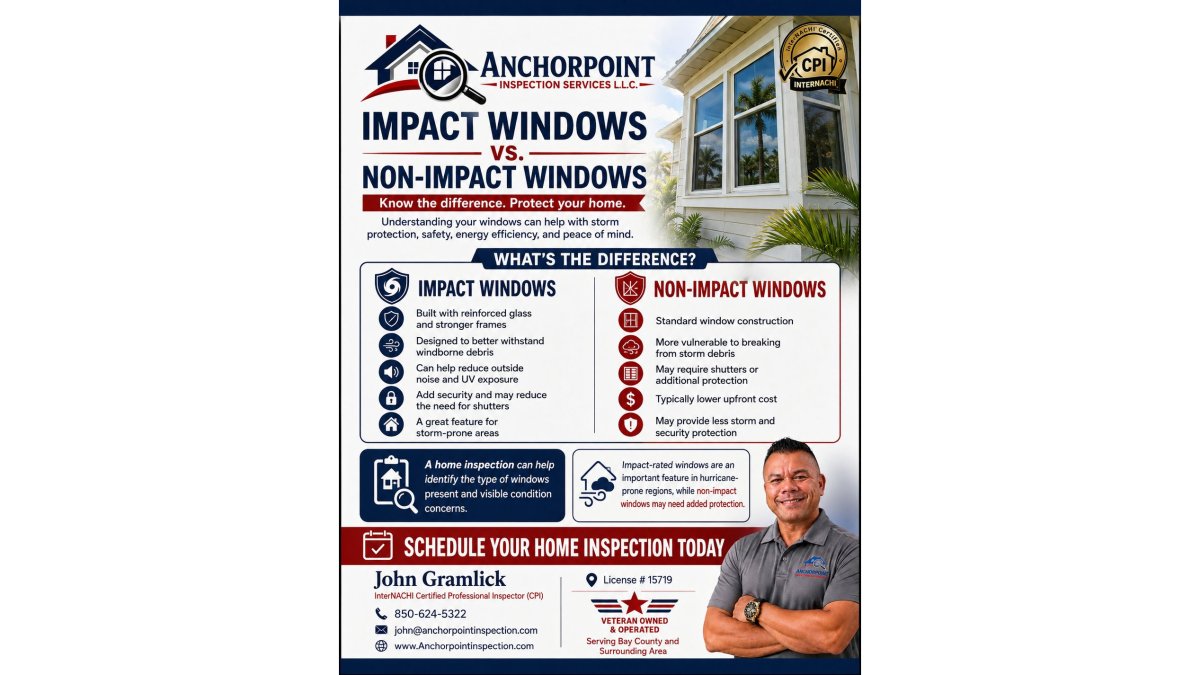
Inside, we examine walls, ceilings, and floors for cracks, water stains, and signs of leaks. Windows and doors are checked for operation, seals, and evidence of moisture intrusion.
Attic, insulation, and ventilation. The attic deserves special attention. We examine insulation levels, ventilation, and visible roof framing, and we note inaccessible areas honestly rather than guessing. We look for blocked soffit vents, disconnected ductwork, and staining on the roof sheathing that suggests past or active moisture.
Stairs, railings, and smoke detectors. Stairs, railings, and smoke detectors round out the safety review. These are small items that matter enormously in a household with children or older adults. We check handrail height and attachment, guardrail spacing, and whether smoke and carbon monoxide alarms are present and functioning.
Plumbing, Electrical, and HVAC Systems
Plumbing. We test visible plumbing fixtures and check water supply and drainage for function and leaks. We run faucets and showers, flush toilets, and look under sinks for active drips, corrosion, and poor connections.
Electrical. The electrical panel, wiring methods, and outlets are examined for safety hazards.
Heating and cooling. Heating and cooling systems are operated and evaluated for basic function.
Built-in appliances and fireplaces. We operate built-in appliances that are part of the sale and examine fireplaces and chimneys for visible condition and clearances.
To be clear about scope: we evaluate and report condition. We do not repair, replace, or install any of these systems.
Watch Out A report that says "HVAC system functional" is not a warranty. It means the system ran during the inspection. Systems fail without warning, and an inspection cannot predict when.
Key Takeaway Use this checklist as a map, not a scorecard. The goal is to understand what was observed, what was not accessible, and which findings deserve a closer look before closing.
What a Home Inspection Does Not Include: Scope and Limitations
A home inspection is a visual, non-invasive evaluation of accessible areas, and it is not a technical engineering analysis or a code compliance inspection. Understanding the limits protects you from false confidence.
We cannot see behind finished walls, under carpet, or inside concealed spaces. We do not dismantle equipment, move stored items, or enter areas that are unsafe or inaccessible. If an attic hatch is blocked or a crawl space is flooded, we say so in the report.
Here is what that means in practice: the report reflects conditions visible on the day of inspection. It is not a prediction, and it is not insurance.
Pro Tip Ask your inspector to flag every inaccessible area in writing. Those gaps tell you where a specialist evaluation may be worth the extra step, and they document exactly what was and was not examined.
How Long Does a Home Inspection Take?
Most single-family home inspections take two to four hours, depending on the home's size, age, and condition. Older homes and properties with more systems or outbuildings generally take longer.
The inspection itself is only part of the timeline. Report preparation and delivery add time after the walkthrough. If you are working against a closing deadline, tell your inspector when you book. We schedule with closing dates in mind and confirm turnaround before the appointment.
Home Inspection Report Examples: How to Read Your Findings
A good inspection report separates major concerns from routine maintenance, and it photographs each finding so you can see exactly what was observed.
Findings generally fall into three buckets:
Finding Type | What It Means | Your Next Step |
Safety hazard | A condition that could injure someone | Address before move-in |
Major defect | A system or component near failure | Get a specialist evaluation |
Maintenance item | Normal upkeep and minor wear | Plan and budget over time |
What most buyers get wrong is treating every line item as a negotiation lever. A missing outlet cover and a failing water heater belong in completely different conversations.
Step 3: Separate "observed" from "recommended." Inspectors describe what they saw and, where appropriate, recommend further evaluation.
Step 4: Note the inaccessible areas. Every report should list what could not be examined and why.
Step 5: Ask questions before you act. If a finding is unclear, ask the inspector to explain it in plain language.
At Anchorpoint Inspection, every report is photo-documented and written in plain language, because clarity is what makes a report useful.
Pro Tip Keep your report with your home records. When you sell or refinance later, a documented inspection history is a useful reference point for what was observed and when.
Home Inspection Tips for Buyers: Before, During, and After
Preparation turns an inspection from a formality into real use. Here is how we would approach it.
Before the inspection:
Confirm which systems and appliances are included in the sale
Clear access to the attic, electrical panel, and water heater
Share any known concerns with the inspector in advance
During the inspection:
Attend if you can, and ask questions as findings come up
Take your own notes on anything you do not follow
Ask the inspector to point out maintenance items, not just defects
After the inspection:
Read the full report, not just the summary
Separate safety items from maintenance items
Schedule any recommended specialist evaluations promptly
Anchorpoint Inspection is veteran-owned and operated, led by a retired U.S. Navy Senior Chief with 22 years of military service and 10 years of construction and inspection experience.
We also provide InterNACHI's Standards of Practice as the benchmark for what a thorough inspection should cover, and we hold a Florida home inspector license and InterNACHI Certified Professional Inspector credentials.
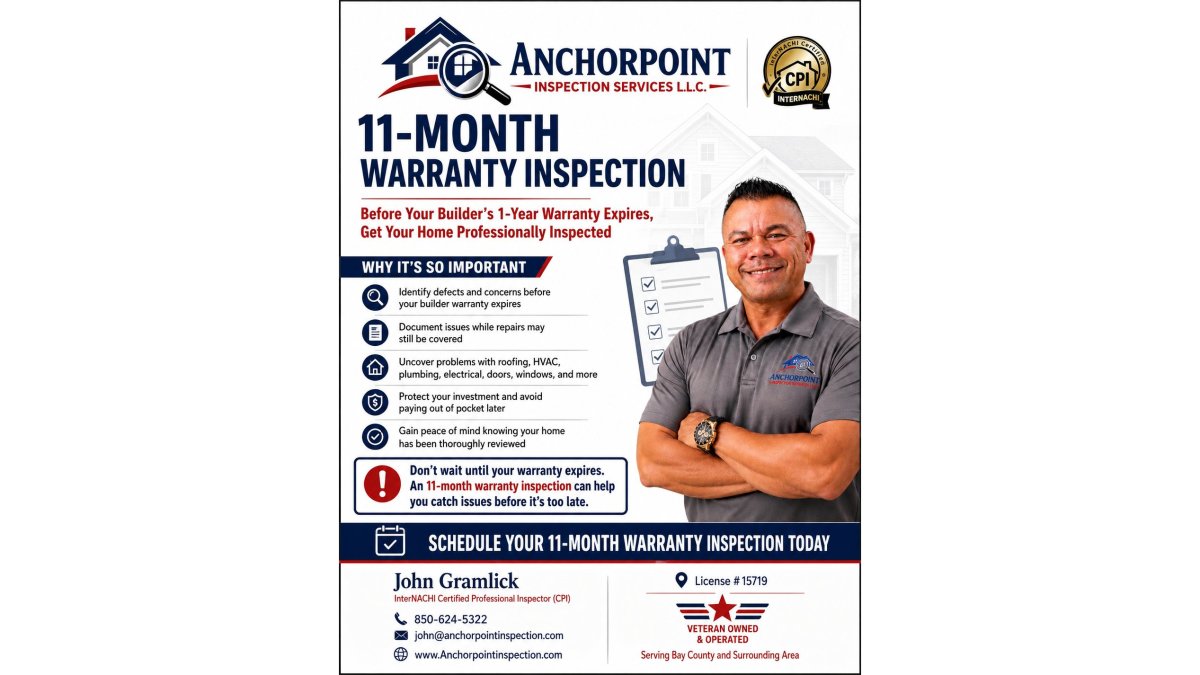
For buyers of new construction, an 11-month warranty inspection before the builder's one-year warranty expires is one of the smartest moves available. For insurance requirements, we also perform four-point inspections and wind mitigation inspections.
Frequently Asked Questions
What is the biggest red flag in a home inspection?
Structural problems and water intrusion top the list. Cracks in the foundation, sagging rooflines, and signs of moisture in the attic or crawl space suggest repairs that can cost far more than cosmetic fixes. Problems with major systems, like an aging electrical panel or a failing water heater, also carry weight because replacements are expensive. A home inspection report flags these items so you can ask for repairs, negotiate, or walk away before closing.
What do home inspectors not look for?
A standard home inspection is visual and non-invasive. Inspectors do not open walls, dig up soil, or test every hidden component. Items behind finished surfaces, inside chimneys, and beneath slabs are outside the scope. Pools, septic systems, and wells often require separate evaluations. Your inspector should explain these limits up front so you know exactly which areas were examined and which need a specialist.
Should buyers attend the home inspection?
Yes. Attending lets you watch the inspector work, ask questions in real time, and learn how the home's systems operate. You will see firsthand what the report describes, which makes the findings easier to understand. Plan to arrive at the start and stay for the full walkthrough. If you cannot attend, ask whether your inspector offers a follow-up call or a photo-documented report that walks you through each finding.
What happens after a home inspection report is delivered?
Review the report carefully and note which findings are safety issues, which need specialist follow-up, and which are routine maintenance. Share it with your real estate agent to decide what to request from the seller. You may ask for repairs, a credit, or simply accept the condition as-is. Keep the report for your records; it is a useful maintenance roadmap for years after closing.
What should buyers do to prepare for a home inspection?
Make sure the inspector can access the attic, crawl space, electrical panel, and garage. Clear locks and gates, and confirm utilities are on so systems can be tested. Gather any seller disclosures to share with the inspector. Arrive with a list of questions and a notebook. Preparation helps the inspection run smoothly and gives you a fuller picture of the property's condition.
Buying a home means accepting some uncertainty, but you should never accept blind spots. Anchorpoint Inspection provides comprehensive, photo-documented home inspections across the Florida Panhandle, backed by InterNACHI certification, a Florida license, and a veteran-led commitment to integrity. We explain every finding in plain language so you can make a confident, informed decision. Schedule your inspection with Anchorpoint Inspection and know exactly what you are buying.
Schedule Now
Add anchorpointinspection.com as a preferred source on Google →
Comments